Wang Yi’s Visit Strengthens the Pakistan-China Axis and South Asian Dynamics
Date: August 21, 2025
Report Code: FP-PK-CN-001

Rasheed Ahmad Chughtai
www.rachughtai.com
1.0 Executive Summary
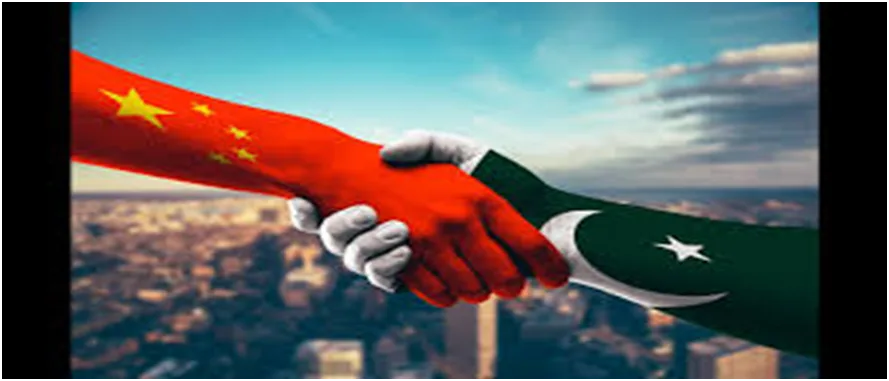
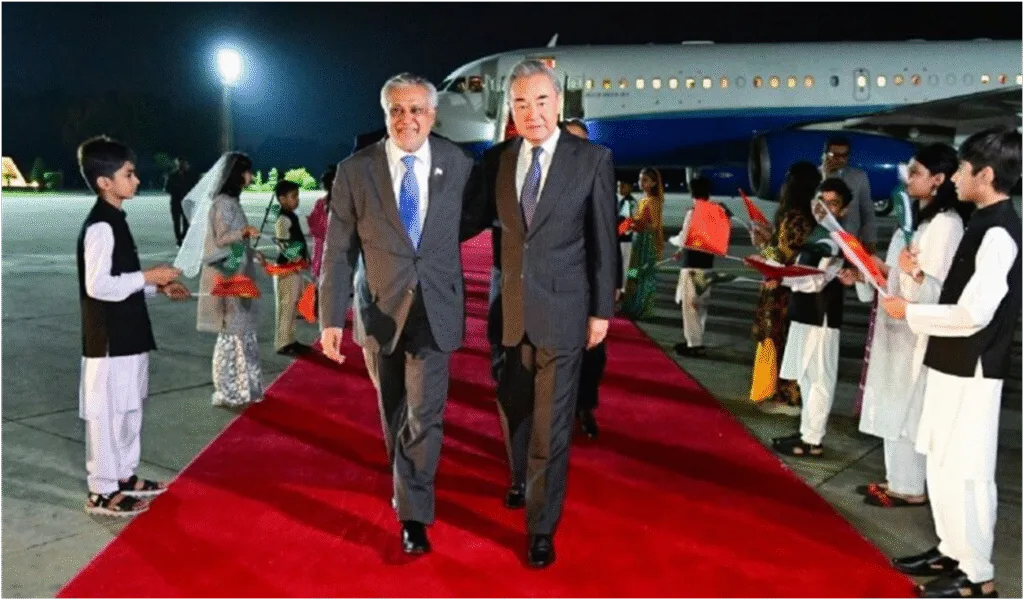
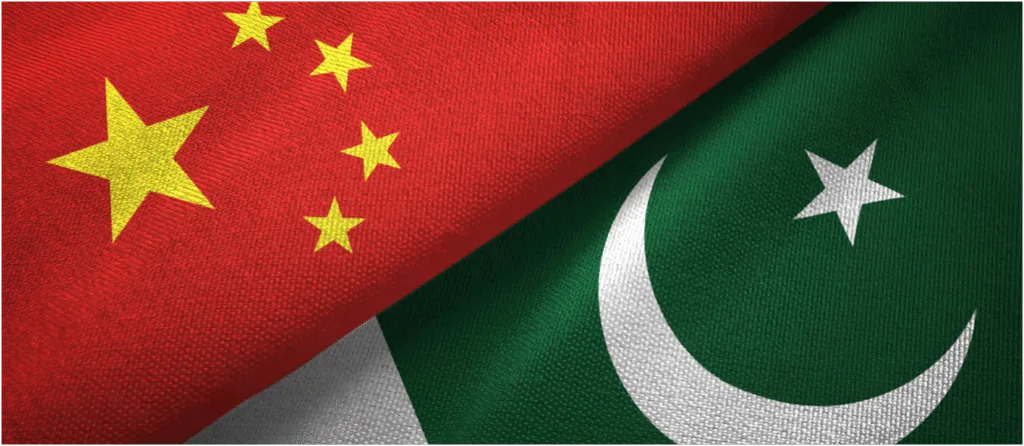
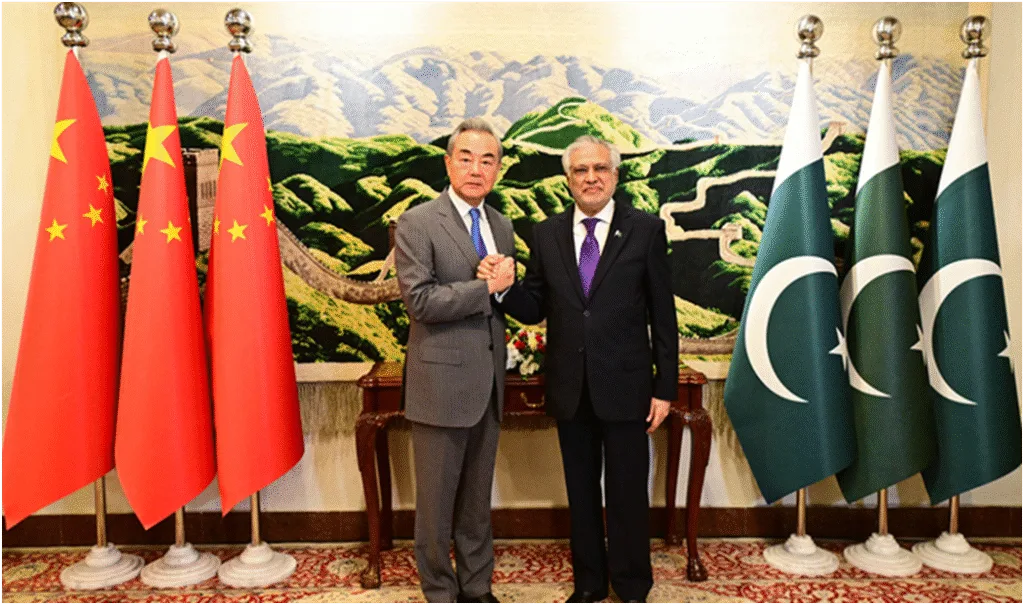
The recent visit of Chinese State Councilor and Foreign Minister Wang Yi to Pakistan is a significant diplomatic event, reaffirming the unparalleled strategic partnership between the two nations. This report details the context and outcomes of the visit, placing it within the broader framework of China’s regional diplomacy in South Asia following stops in India and Afghanistan. It analyzes the core strengths of the Pakistan-China relationship, grounded in the China-Pakistan Economic Corridor (CPEC) and deep military ties. Crucially, the report examines the complex tightrope Pakistan must walk in balancing its “all-weather friendship” with China against its necessary, albeit fraught, engagement with the United States. The visit underscores China’s role as the central pillar of Pakistan’s foreign policy while highlighting the challenges and opportunities this presents.
2.0 Introduction: Context of the Visit
Foreign Minister Wang Yi’s tour of South Asia (Afghanistan, India, Pakistan) was a strategic maneuver aimed at strengthening regional stability under the broader framework of China’s Belt and Road Initiative (BRI) and its vision for a “community with a shared future for mankind.”
* Visit to Afghanistan:** Focused on engaging with the Taliban interim government, encouraging inclusivity, and likely discussing the extension of the BRI and CPEC into Afghanistan, potentially making it a regional connectivity hub.
* Visit to India:** Occurred amidst ongoing military standoffs and tensions. It served as a crucial channel for high-level dialogue to manage disputes and prevent escalation, demonstrating China’s pragmatic approach to dealing with competitors on issues of mutual concern (e.g., border stability).
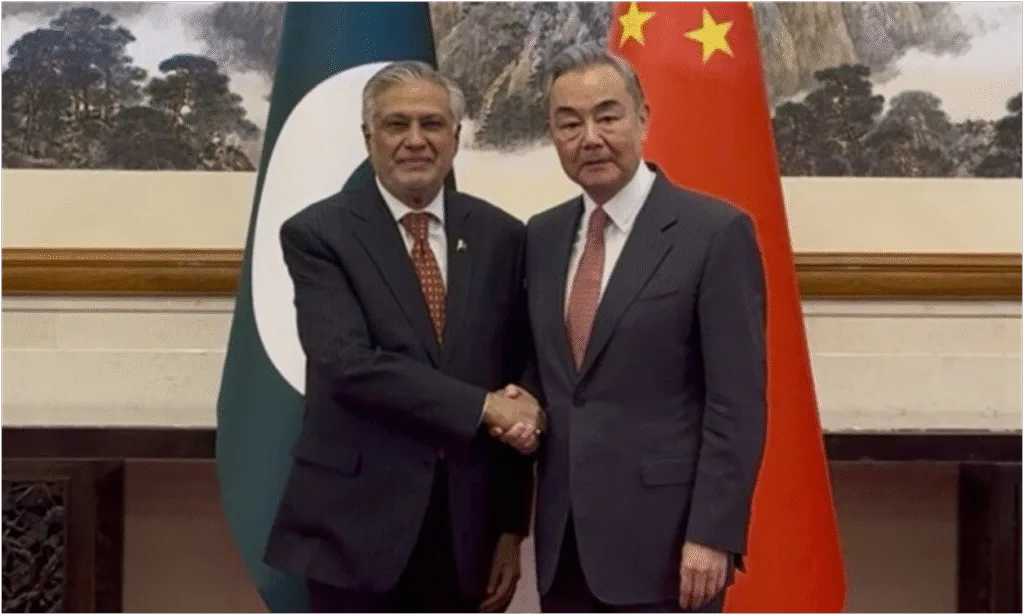
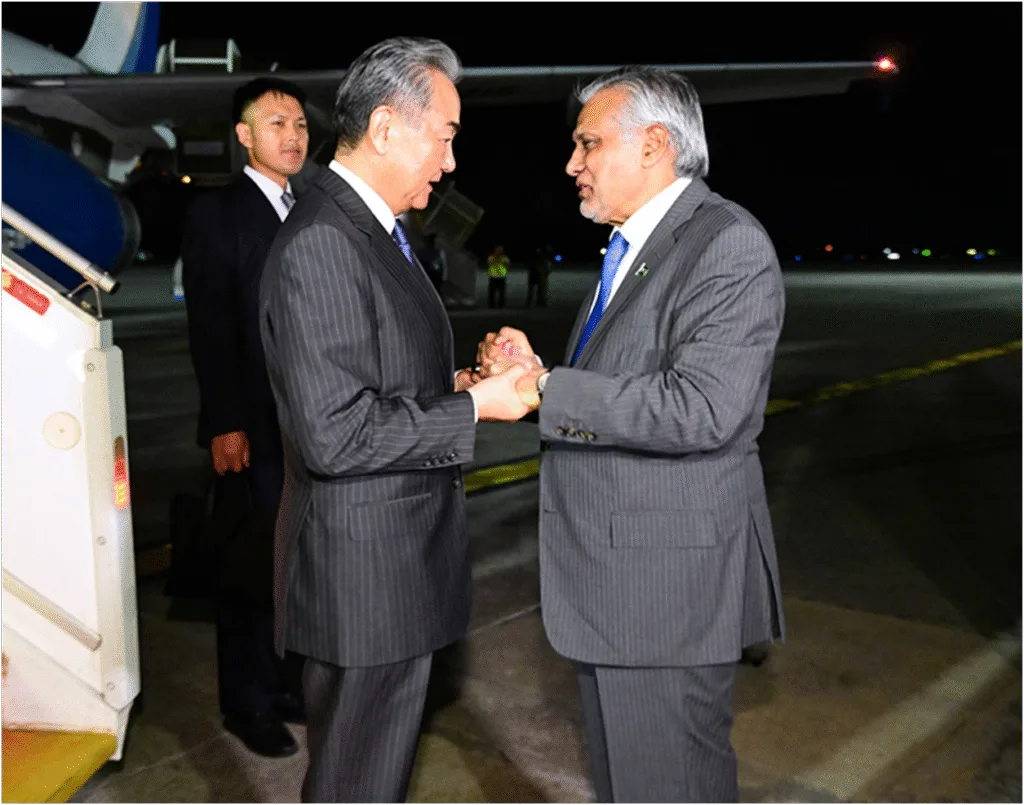
* Visit to Pakistan:** Represented the culmination of the tour, moving from managing competitors to celebrating a staunch ally. It was intended to reinforce the strategic alignment, review progress on key projects, and coordinate positions on regional issues.
*3.0 The Bedrock of the “Iron Brother” Relationship: More Than Just Rhetoric
The term “Iron Brother” is deeply embedded in the bilateral relationship, supported by tangible and multi-dimensional pillars:
3.1 Strategic and Military Cooperation:
* **Fact:** China has been a principal supplier of defense equipment to Pakistan, including JF-17 Thunder fighter jets (co-produced), naval frigates, submarines (Type 054AP frigates and Hangor-class submarines), and advanced missile systems.
* **Reality:** This partnership serves as a strategic counterbalance to India’s military dominance in the region and India’s close defense ties with the West. Joint military exercises are regularly conducted, enhancing interoperability.
**3.2 The China-Pakistan Economic Corridor (CPEC) – The Economic Backbone:**
* **Fact:** With an initial investment of $25 billion that has now expanded to over $62 billion in projects, CPEC is the flagship project of China’s BRI. It encompasses infrastructure (roads, railways, Gwadar Port), energy projects (power plants addressing Pakistan’s chronic energy shortfall), and Special Economic Zones (SEZs).
* **Reality:** Gwadar Port in Balochistan is a lynchpin, offering China strategic access to the Arabian Sea and a potential alternative to the vulnerable Strait of Malacca shipping route. For Pakistan, CPEC promises economic modernization, job creation, and enhanced infrastructure, though it also brings challenges related to debt sustainability and local community concerns.
**3.3 Diplomatic and Geopolitical Support:**
* **Fact:** China consistently supports Pakistan’s core foreign policy positions, notably on Kashmir, advocating for a peaceful resolution based on UN charters and bilateral agreements. Conversely, Pakistan is a vocal supporter of China on issues related to Xinjiang, Tibet, Taiwan, and Hong Kong, firmly adhering to the “One-China” policy.
* **Reality:** This mutual diplomatic shielding in international forums like the UN and FATF (Financial Action Task Force) is a cornerstone of their trust.
**4.0 The Delicate Balancing Act: Pakistan between China and the USA**
Pakistan’s foreign policy navigates a profoundly complex triangle of relations. Managing ties with both Beijing and Washington is not a choice but a necessity, driven by divergent national interests.
**4.1 Relationship with China: The “Pivot”**
* **Nature:** **All-Weather, All-Dimensional.** As stated, China is the pivot. The relationship is considered stable, long-term, and strategic, encompassing military, economic, and diplomatic domains. It is based on mutual geopolitical needs and is less susceptible to changes in government or international political cycles.
**4.2 Relationship with the United States: A “Transactional” Partnership**
* **Nature:** **Pragmatic and Variable.** The relationship has historically been a “rollercoaster,” oscillating between close alliance during the Cold War and Afghan wars to periods of severe strain and sanctions.
* **Areas of Cooperation:** Counterterrorism, limited trade, and a large Pakistani diaspora in the US remain points of engagement. The US also provides some military hardware, though less than China.
* **Areas of Friction:** The primary source of tension is the US’s strategic partnership with India, seen as a counter to China. US concerns over CPEC’s debt implications, Pakistan’s relationship with the Taliban, and allegations over support for certain militant groups have also strained ties.
**4.3 The Balancing Strategy:**
Pakistan employs a nuanced strategy to maintain this balance:
1. **Issue-Based Alignment:** Pakistan cooperates with the US on specific issues where interests align, such as counterterrorism and regional stability, without letting it define the overall foreign policy direction.
2. **Transparency with China:** Pakistan likely assures China that its engagements with the US are limited and tactical, not strategic, and will not undermine CPEC or core security partnerships.
3. **Diversification of Partners:** While China is the primary partner, maintaining working ties with the US provides Pakistan with optionality, prevents over-reliance on a single power, and offers access to Western financial institutions like the IMF.
4. **Avoiding Bloc Politics:** Pakistan consciously avoids being drawn into explicit anti-US or anti-West blocs. It abstains from voting on certain UN resolutions condemning Russia, for example, to maintain a degree of non-alignment while still prioritizing its relationship with China.
**5.0 Conclusion and Future Outlook**
Foreign Minister Wang Yi’s visit successfully reinforced the immutable nature of the Pakistan-China partnership. It served to:
* Reaffirm China’s commitment to CPEC and Pakistan’s economic stability.
* Coordinate strategies on the rapidly evolving situation in Afghanistan.
* Signal to the region and the world the strength of the bilateral bond.
The reality for Pakistan is that China, as its neighbor and largest investor, offers a tangible, long-term strategic and economic partnership that the US cannot and does not offer. The relationship with the US remains important but is inherently more conditional and transactional.
Looking ahead, Pakistan’s challenge will be to maximize the economic benefits from CPEC while managing the associated debt burden. Diplomatically, it must continue its delicate balancing act, leveraging its relationship with China as its foundational pillar while maintaining a functional, pragmatic relationship with the United States to serve its broader national interests in an increasingly polarized world. The “iron” in the brotherhood with China is strong, but Pakistan’s diplomacy must remain exceptionally flexible.