*Kashmir Solidarity Day* — *A Global Reminder of an Unfinished Struggle*
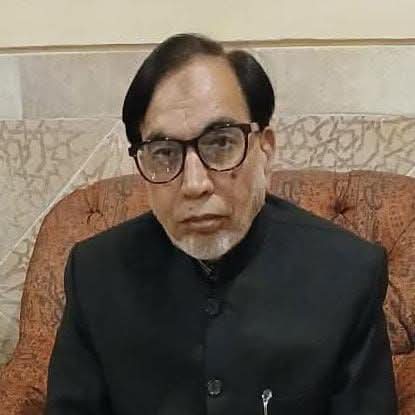
Rasheed Ahmad Chughtai
www.rachughtai.com
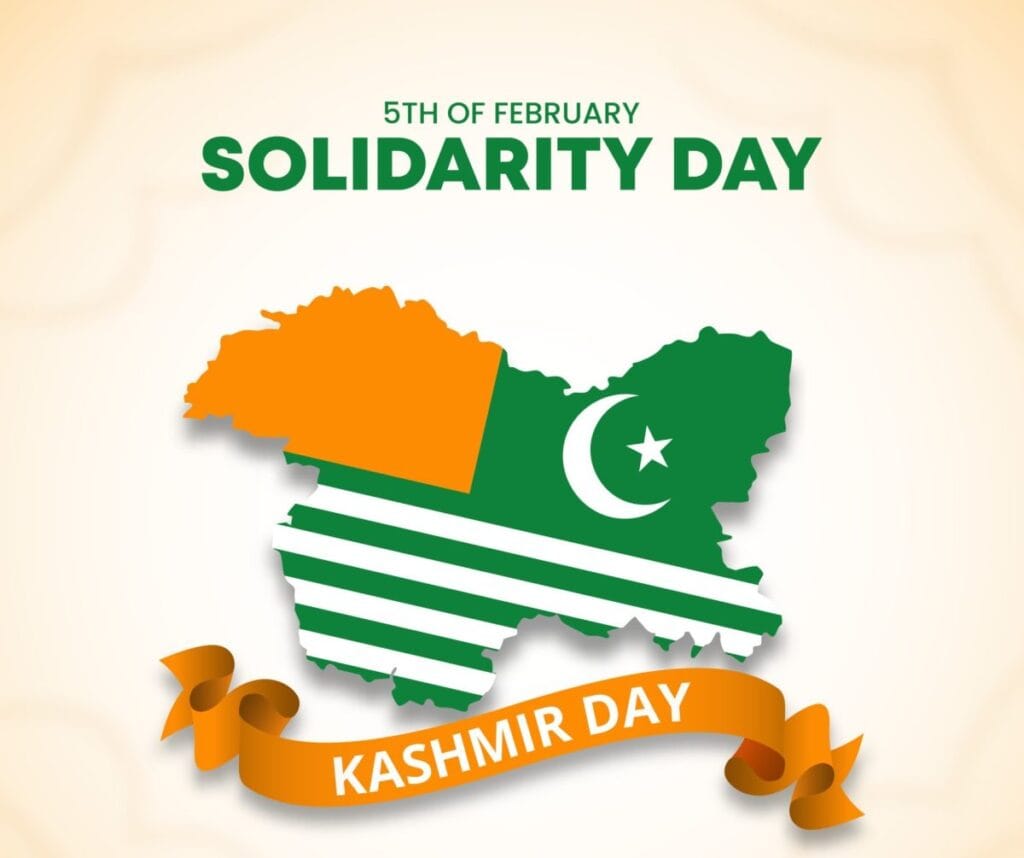
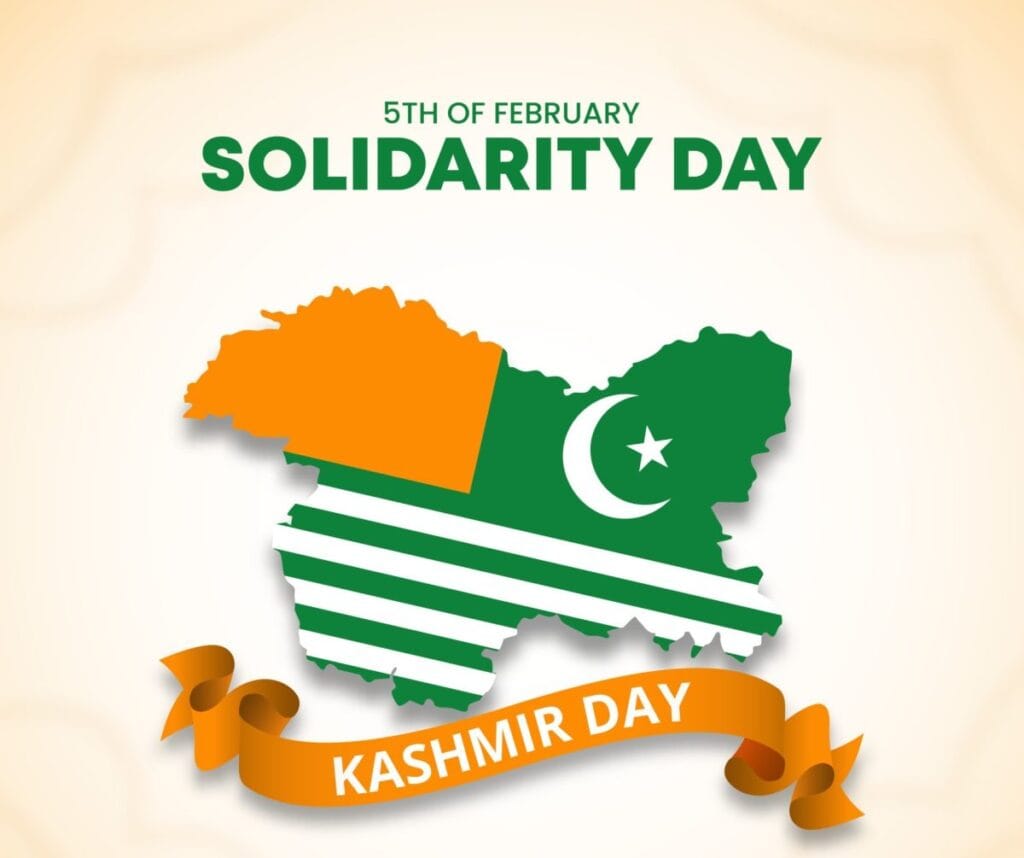
Each year on 5 February, the people of Pakistan and Kashmiris around the world observe Kashmir Solidarity Day to reiterate unwavering support for the people of Indian Illegally Occupied Jammu and Kashmir (IIOJK) in their just struggle for freedom and self-determination. This day sends a loud and clear message to the world: Kashmiris are not alone and their legitimate aspirations for freedom and dignity cannot be ignored.
*Historical Context of the Kashmir Struggle*
Since Partition in 1947, Kashmir has remained one of the most prolonged and unresolved disputes in modern history. United Nations resolutions have repeatedly affirmed the right of the Kashmiri people to decide their own future through a plebiscite, but this promise remains unfulfilled. Pakistan and Kashmiris worldwide commemorate this injustice and remind the international community that decades of occupation and militarization cannot suppress the enduring spirit of the Kashmiri people.
*The Current Situation in Kashmir (2026)*
1. *Ongoing Conflict and Militarization*
Indian-controlled Jammu & Kashmir continues to be one of the most heavily militarized regions in the world. Reports highlight that the presence of security forces and strict administrative controls continue to affect daily life, restrict civil liberties, and contribute to a climate of fear and intimidation for ordinary Kashmiri citizens.
Despite occasional security actions described by Indian authorities as counter-terrorism operations, the broader Kashmiri population continues to demand political freedom and justice, not merely security-driven policies. These demands are rooted in a historical struggle for dignity and rights that transcends military narratives.
2. *Political Expressions of the Kashmiri Will*
Across IIOJK, many Kashmiri political activists and civil society leaders continue to voice their opposition to occupation and repression. Calls for dialogue, justice, and the restoration of their rights under international law remain widespread. The All Parties Hurriyat Conference and other representative bodies continue to articulate the Kashmiri position — emphasizing that only the Kashmiris themselves should determine their future.
3. *Human Rights Concerns and Civil Freedoms*
Human rights organizations and observers have consistently reported that restrictions, detentions, and suppression of dissent remain a serious concern for the people of IIOJK. These situations affect everyday life, including freedom of expression, peaceful assembly, and political participation. This ongoing issue underscores why Kashmir Solidarity Day continues to have global resonance.
4. *Socio-Economic Challenges*
Beyond political repression, the people of Kashmir face significant socio-economic difficulties — from infrastructure gaps to disruptions in education and employment — which are compounded by the broader conflict environment. These problems are intertwined with the political struggle, and stronger international engagement is necessary to ensure not just political rights but also economic opportunities for Kashmiri families.
*The Importance of Kashmir Solidarity Day*
*Unity and Awareness*
Kashmir Solidarity Day serves as a powerful platform for people across Pakistan, Kashmir, and the global Kashmiri diaspora to express unity with their Kashmiri brothers and sisters. Events include rallies, seminars, peace marches, and symbolic human chains — all aimed at demonstrating that the Kashmiri cause is just and global in scope.
Moral and Diplomatic Support
On this day, leaders from Pakistan reiterate the nation’s moral, political, and diplomatic backing for Kashmiris. The Pakistani government’s message emphasizes support for the fulfilment of UN-mandated rights and urges the international community to honour its commitments.
**International Call to Action*
Kashmir Solidarity Day is not merely symbolic — it is a call to international institutions, human rights bodies, and world governments to take meaningful steps toward resolving the Kashmir dispute in accordance with international law and the aspirations of the Kashmiri people themselves.
*Hope Beyond Oppression: The Triumph of Truth*
History bears witness to one undeniable reality: injustice is never permanent. No matter how long oppression persists, it eventually fades under the weight of truth. The suffering of the Kashmiri people, though prolonged, is not forgotten, nor is it in vain. Every act of repression only further exposes the reality of occupation and strengthens the moral clarity of the Kashmiri cause.
*Truth will rise. It always does.*
The voices of Kashmiri men, women, elders, and youth—silenced through force—continue to echo across borders and generations. Their resilience is a living testimony that false narratives cannot suppress a just cause forever. Empires may rely on power, weapons, and coercion, but history proves that truth, justice, and the will of the people ultimately prevail.
As the world moves forward, the question is not whether injustice in Kashmir will fade, but when. And when that moment arrives, it will be the triumph of truth, humanity, and international conscience.
On Kashmir Solidarity Day, and beyond, this conviction unites Pakistanis, Kashmiris, and all people of conscience across the globe:
> Injustice will be faded.
*Truth will be raised.
And the rightful voice of Kashmir will be heard.*
*Justice Is Inevitable, Truth Is Eternal*
The struggle of the Kashmiri people is not merely a political dispute; it is a profound human rights issue rooted in the universal principles of justice, dignity, and freedom. The Holy Qur’an reminds humanity with timeless clarity:
> “And do not think Allah is unaware of what the wrongdoers do. He only delays them for a Day when eyes will stare in horror.”
(Qur’an 14:42)
Oppression may appear powerful, but it is inherently fragile. History, divine law, and moral conscience testify that no injustice can endure forever. The denial of basic human rights—freedom of expression, political choice, security of life, and dignity—stands in clear violation of international human rights norms and the moral order emphasized by Islam.
Allah commands believers and all people of conscience:
> “O you who believe! Stand firmly for justice, as witnesses for Allah, even if it be against yourselves or your kin.”
(Qur’an 4:135)
The Kashmiri people’s demand for self-determination is aligned with this divine command and with the Universal Declaration of Human Rights, which affirms the right of all peoples to freely determine their political status and pursue their social, economic, and cultural development.
The Qur’an further assures the oppressed:
> “And We intended to favor those who were oppressed in the land and make them leaders and inheritors.”
(Qur’an 28:5)
This promise strengthens the hope of Kashmiris and all oppressed peoples that justice, though delayed, is never denied. Silence may be enforced, narratives may be distorted, but truth cannot be buried.
Therefore, on Kashmir Solidarity Day and beyond, the message to the world is clear and unwavering:
Injustice will be faded.
Truth will be raised.
And the rightful voice of Kashmir will ultimately prevail.
This is not only a political certainty—it is a divine promise, a human rights obligation, and a moral inevitability.