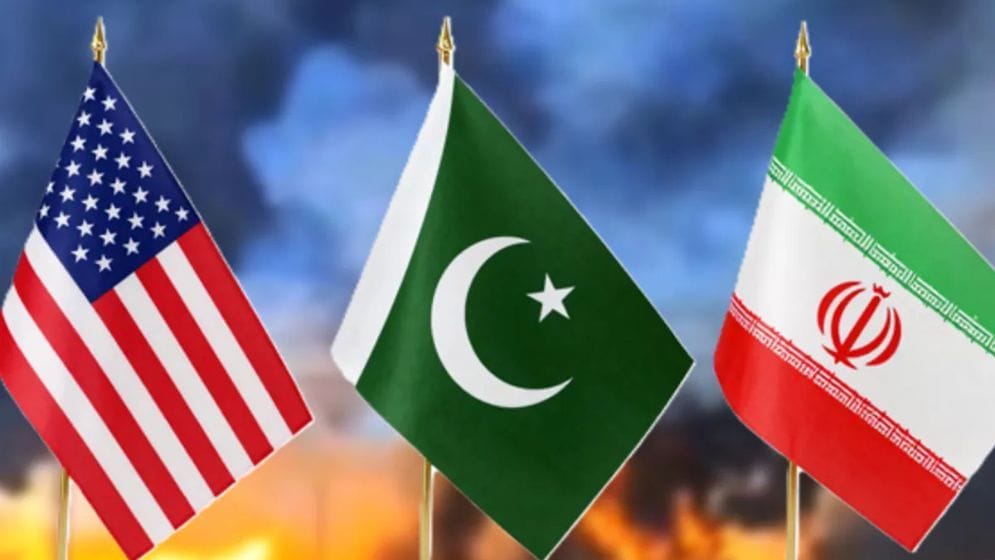
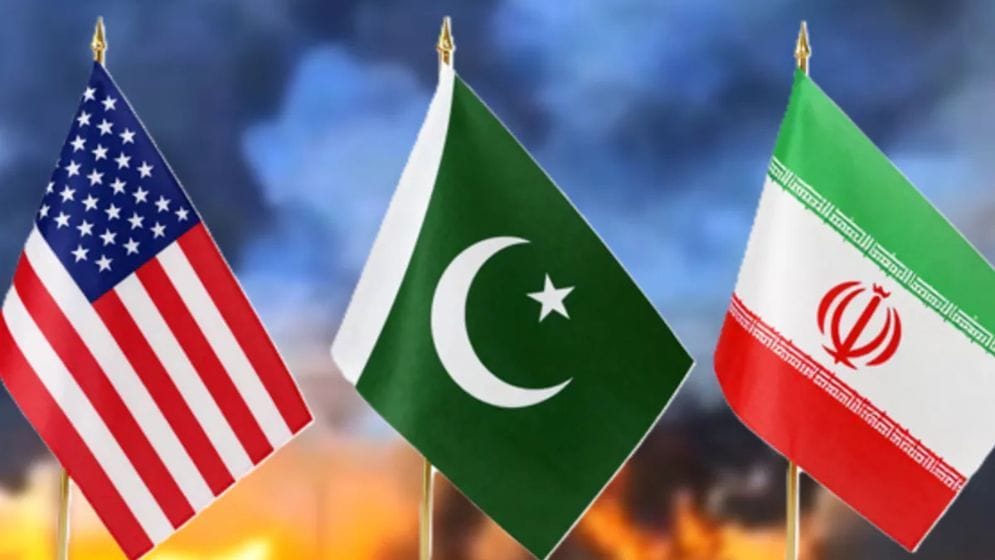
Islamabad Talk
Diplomacy wins
Pakistan Peace Maker
Victory of peace is expected
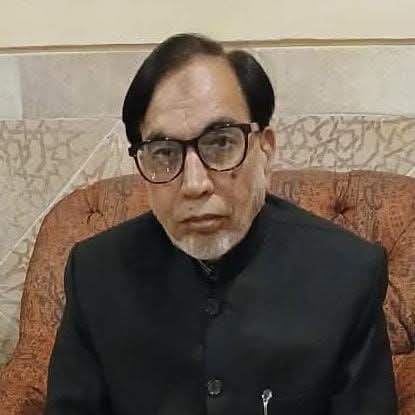
Rasheed Ahmad Chughtai
Appreciation of the Iran-U.S. Agreement to Hold Negotiations in Islamabad
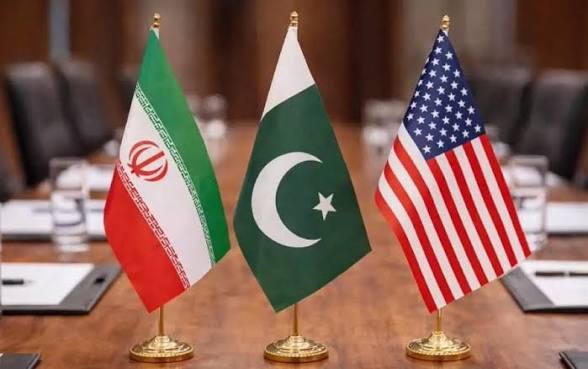
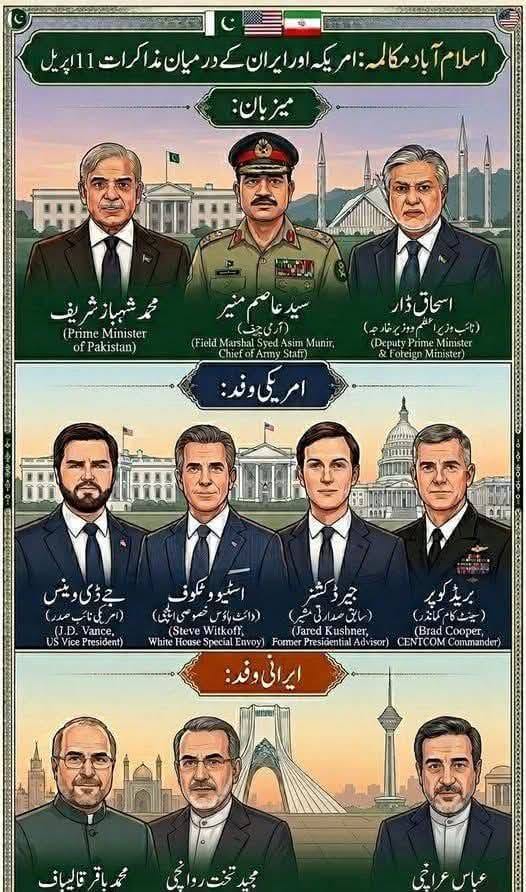
1. Appreciating Iran and the United States: A Pragmatic Leap Toward Dialogue
The decision by both Tehran and Washington to agree to negotiation talks is profoundly appreciated for several reasons:
Acknowledging Shared Humanity: After decades of mistrust, sanctions, military posturing, and proxy conflicts, both nations have demonstrated rare political courage. Choosing a negotiating table over a battlefield signals that they recognize their populations—ordinary Iranians and Americans—have more to gain from stability than from endless hostility.
· Breaking the Escalation Cycle: The Middle East has been teetering on the edge of a wider conflagration. By agreeing to talks, both capitals are effectively admitting that military solutions have failed to deliver security. This shift from “maximum pressure” and “proxies” to “direct diplomacy” is a victory for rational statecraft.
· Mutual Respect for Pakistan’s Role: Neither Iran nor the USA would agree to Islamabad as a venue unless they trusted its ability to host, facilitate, and potentially mediate. This agreement itself is a silent but powerful tribute to Pakistan’s diplomatic weight.
2. Appreciating Islamabad: The Emergence of a Principled Mediator
Pakistan deserves extraordinary credit. Here is why:
· Geographic & Political Bridge: Pakistan is uniquely positioned—it shares a long, porous border with Iran and has had a fluctuating but necessary security relationship with the United States. For Islamabad to convince both sides to sit face-to-face on its soil is a masterclass in leveraging geography into diplomacy.
· Neutral Ground in a Polarized World: In an era where most mediation attempts are led by Western or Gulf powers (often perceived as biased), Islamabad offers a relatively neutral, Muslim-majority, nuclear-armed state that has lines of communication open to both Tehran and Washington. This neutrality is its greatest asset.
· Preventing a Broader Conflagration: Pakistan’s own stability depends on regional peace. A U.S.-Iran conflict would inevitably spill into Balochistan, endanger Pakistani energy supplies, and worsen sectarian tensions. By hosting these talks, Islamabad is not just being altruistic—it is protecting its own national interest, which is precisely what responsible leadership does.
3. Positive expectations on the Negotiations
From a hopeful perspective, here are encouraging signs:
· Ceasefire as a Foundation: Your mention of a “fragile ceasefire” is key. Even a shaky halt to violence creates space for trust-building. Every day the guns stay silent is a day diplomats can work.
· Focus on Shared Enemies: Both Iran and the U.S. face common threats—extremist terrorism (e.g., ISIS-K), narcotics trafficking from Afghanistan, and the destabilizing effects of unregulated militias. These talks could pivot from zero-sum grievances to pragmatic cooperation on mutual problems.
· Economic Incentives: Iran needs sanctions relief; the U.S. wants verifiable nuclear guarantees. Islamabad can quietly remind both that a deal unlocks trade, energy corridors (Pakistan-Iran-Turkey), and regional connectivity that benefits everyone.
4. Hoping: Why Diplomacy Wins Over War
concrete outcomes:
Islamabad talk
· A Step-by-Step Roadmap: Not all differences will be solved in one summit. But a commitment to a second round, working-level expert groups, and a direct communication hotline would be a win.
· Humanitarian First: A quick, good-faith agreement on prisoner exchanges, medical supplies, and disaster cooperation would prove that talks are serious.
· Pakistan’s Permanent Role: We hope Islamabad institutionalizes its mediating role—perhaps through a permanent “Islamabad Process” for U.S.-Iran dialogue, similar to how the Astana process worked for Syria.
Victory of Peace over War: Peace does not mean the absence of disagreement. It means the presence of mechanisms to resolve disagreement without bloodshed. These talks are exactly that mechanism.
5. Credit to Pakistan’s Leadership
Prime Minister Shehbaz Sharif and COAS Field Marshal Asim Munir deserve acknowledgment because:
· Political & Military Unity: In many countries, civilian and military leaderships work at cross-purposes during foreign policy crises. Here, they appear aligned—using diplomatic overtures to bolster national security.
· Quiet Diplomacy: Much of the groundwork for these talks would have happened behind the scenes—back-channel communications, security guarantees, and logistical arrangements. Effective mediation is rarely televised.
· A Counterweight to Conflict: By positioning Pakistan as a peacemaker, not a partisan, both leaders have enhanced Pakistan’s global standing at a time when the world desperately needs honest brokers.
Reflection
“Victory of peace is expected”—is not naive optimism. It is a principled stance. Diplomacy is fragile, slow, and often frustrating. But its alternatives (war, sanctions, occupation, terrorism) are infinitely worse.
If these talks in Islamabad succeed in even one tangible way—a prisoner swap, a ceasefire extension, a backchannel kept open—then Pakistan will have earned a place in history as the host that helped turn a corner.
Let us hope. Let us advocate. And let us appreciate every step away from war and toward dialogue.
Rasheed Ahmad Chughtai
www.rachughtai.com