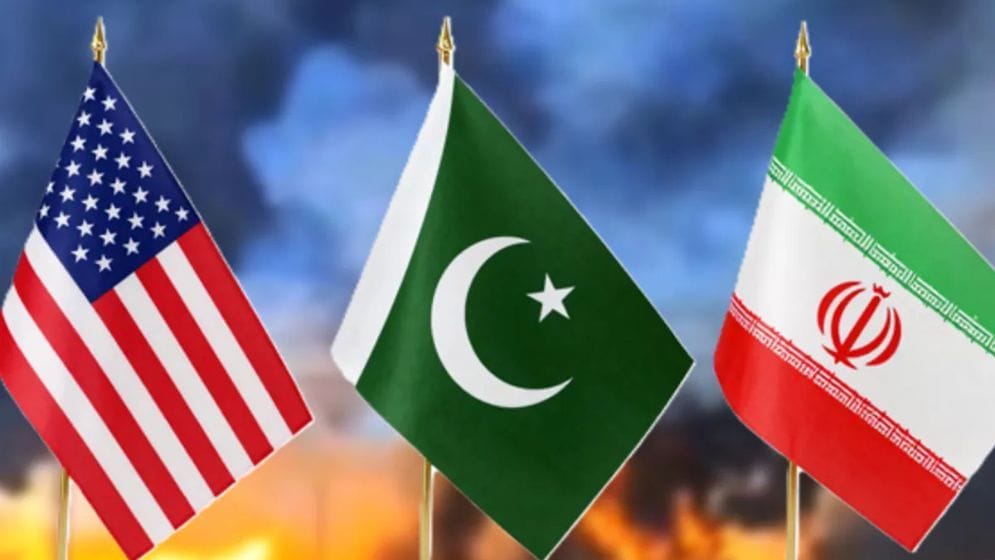
13 Reasons Why Pakistan Became the Unlikely Venue for Iran-US Peace Talks
Rasheed Ahmad Chughtai
www.rachughtai.com
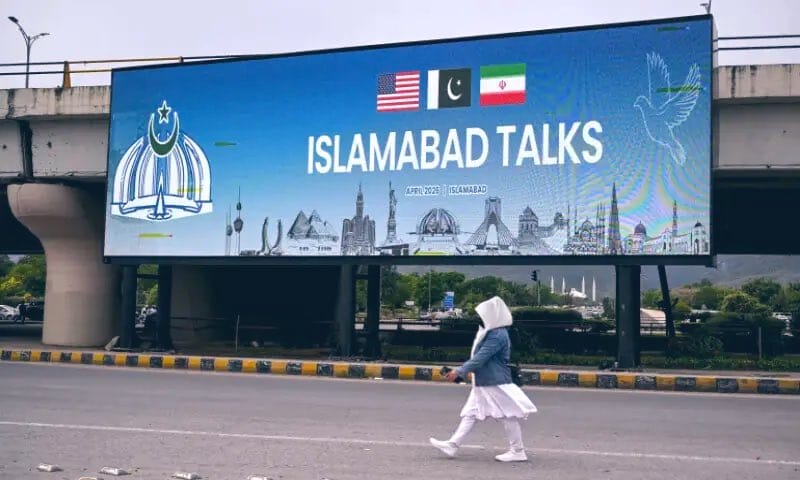
The Islamabad Talks
Why Pakistan Venue
13 Reasons Why Pakistan Became the Unlikely Venue for Iran-US Peace Talks
Rasheed Ahmad Chughtai
www.rachughtai.com
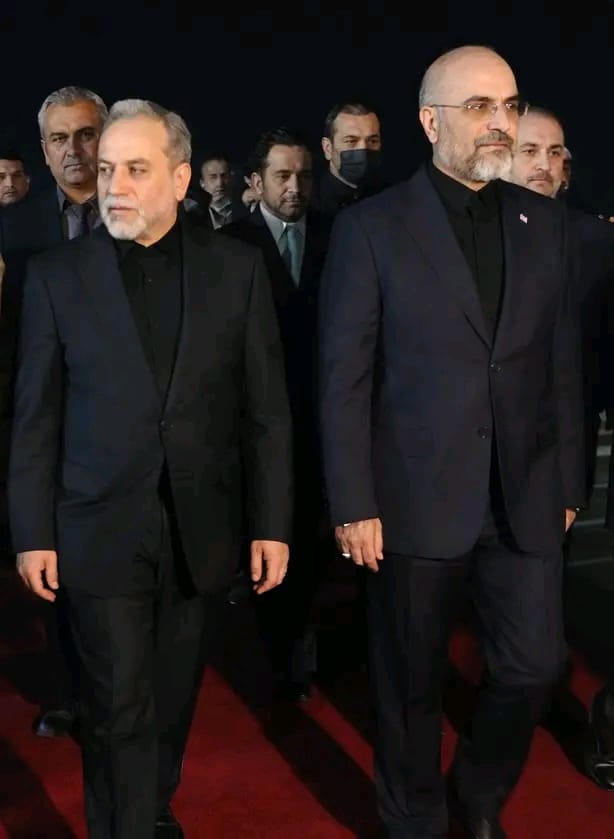
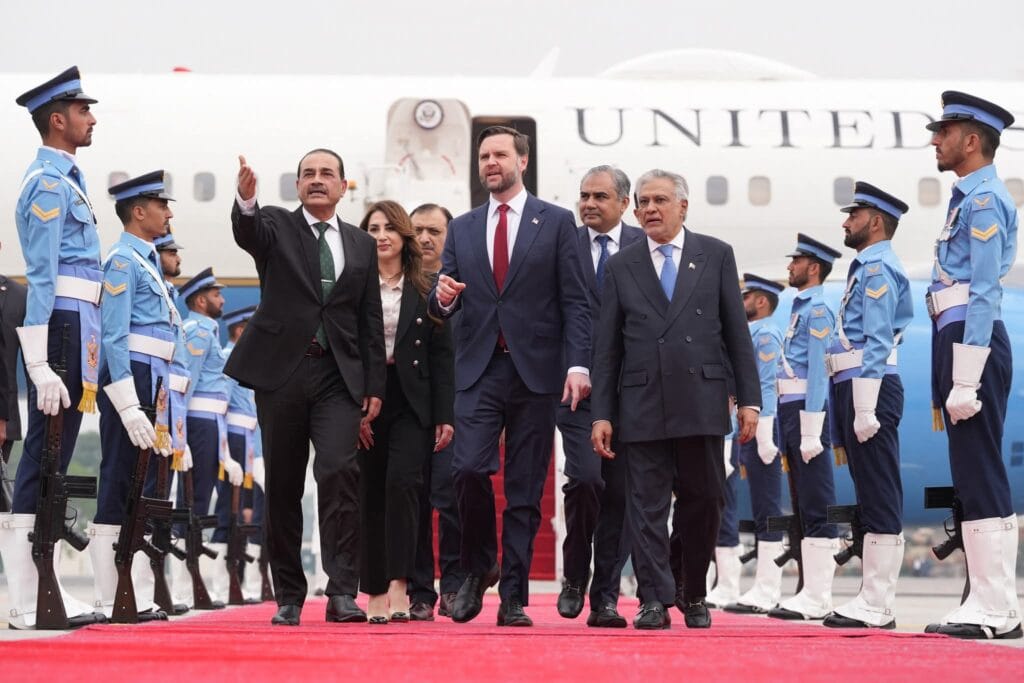
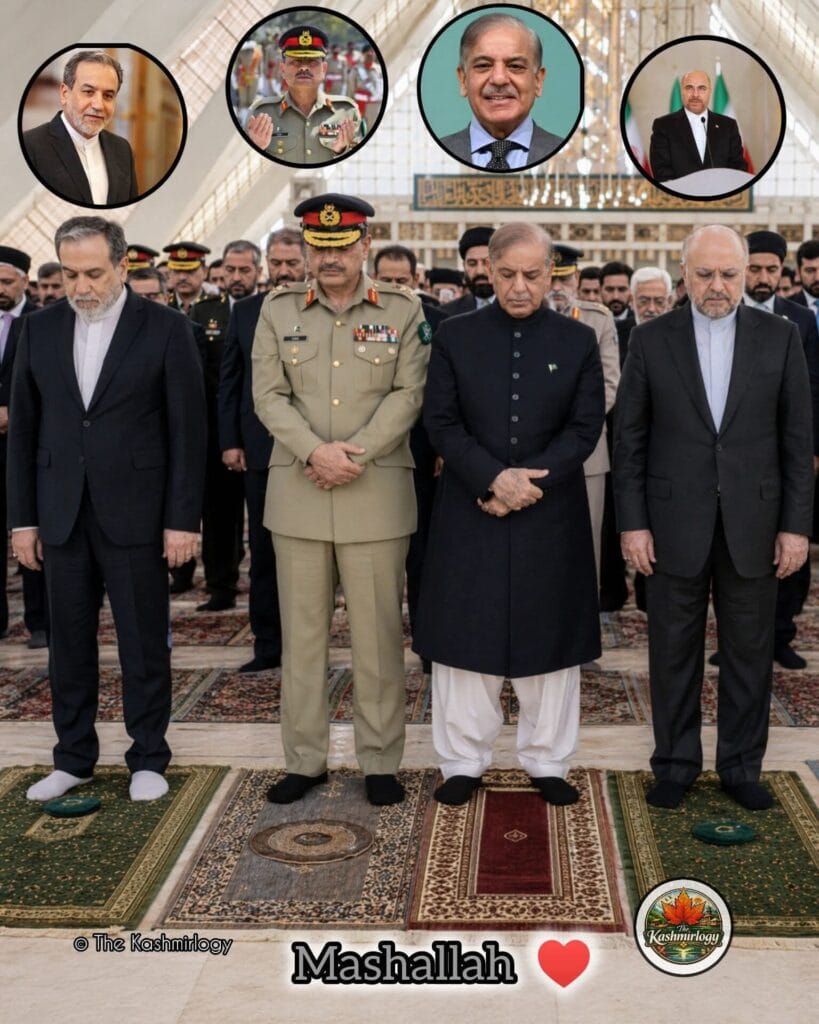
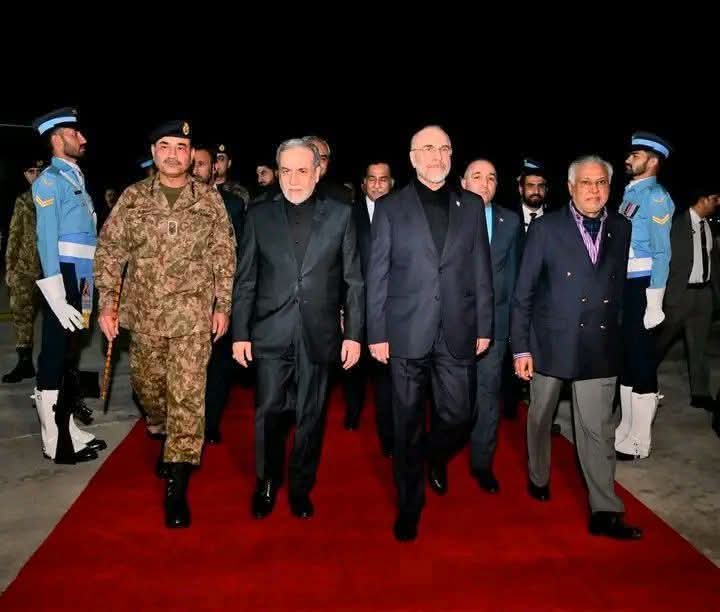
Preamble
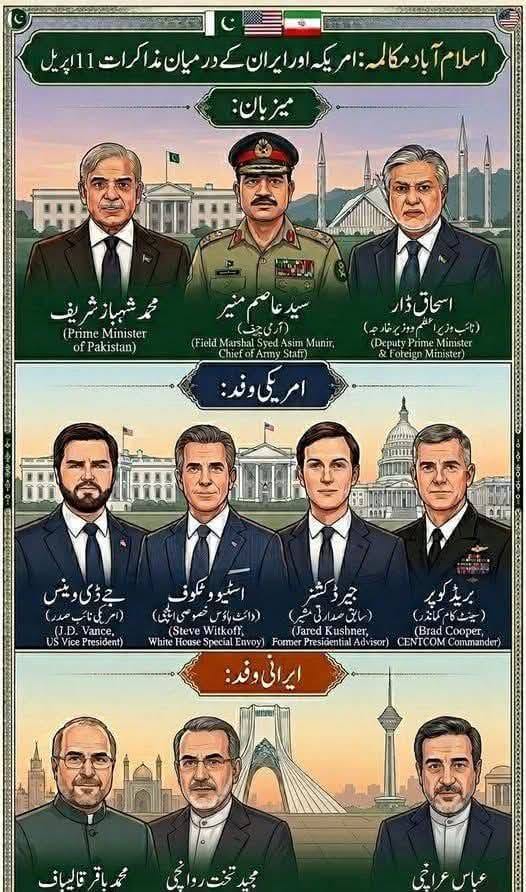
In the annals of diplomacy, peace is rarely born in places of comfort. It emerges from the crucible of necessity, often in nations that bear the scars of conflict yet dream of stability. When the world learned that the Islamic Republic of Iran and the United States of America—two adversaries separated by decades of mistrust—would sit for preliminary peace talks, the proposed venue stunned global observers. Not Geneva. Not Doha. Not Ankara.
The chosen city was Islamabad, Pakistan.
Critics called it a gamble. Pakistan, a nation battling internal economic headwinds and regional rivalries, seemed an unlikely host for a negotiation that could reshape the Middle East. But behind the choice lies a masterstroke of geopolitical logic. For Iran, Pakistan represents a rare brotherhood rooted in resistance and mutual respect. For the United States, it offers a neutral ground without hostile overtones. And for the world, it provides a nuclear-armed, battle-hardened guarantor of security.
We explore here the 13 compelling reasons why Pakistan was unanimously agreed upon as the venue—and why this decision may go down as the most brilliant diplomatic back-channel of the 21st century.
Supporting Pakistan and Iran:
A Relationship Forged in Trust
Before diving into the list, one must understand the profound bond between Tehran and Islamabad. Iran was the first nation to recognize Pakistan’s independence in 1947. For decades, despite sectarian differences and external pressures, the two nations have shared intelligence, border cooperation, and a mutual suspicion of permanent foreign military bases on their flanks. Pakistan’s decision to host these talks is not an act of neutrality born of indifference, but of active, principled mediation born of brotherhood.
1) The Supreme Leadership’s Trust in Pakistan
Both the late Ayatollah Sayyed Ali Khamenei—the Martyr of Resistance—and the current Supreme Leader Ayatollah Mojteba Khamenei have consistently held Pakistan in the highest regard among regional nations. Unlike Arab rivals who have at times aligned with Washington against Tehran, Pakistan maintained open channels. The Khamenei family views Pakistan not merely as a neighbor, but as a strategic partner with a shared destiny of resisting foreign domination.
2) One of the World’s Strongest Militaries
Let there be no illusion: peace talks are only as secure as their host’s military. Pakistan’s armed forces, ranked among the top 10 globally, possess nuclear deterrence, a battle-tested counter-terrorism apparatus, and a dedicated Special Protection Group for VIP delegations. When Iran’s Foreign Minister lands in Rawalpindi, he knows that no drone strike, no assassination plot, and no “third-party spoiler” can breach the perimeter. The same applies for US diplomats—Pakistan’s ISI and military have a zero-tolerance policy for attacks on diplomatic venues.
3) Deep Ties with Tehran
Beyond politics, Pakistan and Iran share linguistic, cultural, and economic threads. The port of Chabahar is often discussed alongside Pakistan’s Gwadar. Millions of Pakistani Zaireen (pilgrims) visit Iranian holy cities annually. This people-to-people trust creates a diplomatic cushion: Iran knows Pakistan will never leak negotiation details to Israel or Saudi hardliners prematurely.
4) Rare Neutral Status: No American Bases on Pakistani Soil
This is the crown jewel of Pakistan’s candidacy. Unlike Turkey (NATO), Qatar (US CENTCOM forward base), or Bahrain (US Fifth Fleet), Pakistan hosts zero permanent American military bases. The 2025 reversal of the 2001-era access agreements means Iran does not fear electronic eavesdropping or a sudden US special forces presence. For Tehran, this “base-free neutrality” is non-negotiable. Pakistan offers what no Gulf state can: a clean geopolitical slate.
5) High Economic Stakes = Motivation for Peace
Pakistan’s economy is deeply intertwined with Gulf stability. Up to 80% of its oil and 99% of its LNG transits through the Strait of Hormuz, which Iran heavily influences. Furthermore, over 2.5 million Pakistani expatriates work in Iran, the UAE, and Saudi Arabia. A single missile strike on Gulf energy infrastructure would collapse Pakistan’s import bill. Thus, Islamabad is not a neutral bystander—it is a desperate stakeholder in peace. This desperation translates into relentless diplomatic energy.
6) Border Security: The 900km Lifeline
Pakistan shares a 900-kilometer border with Iran (the Balochistan frontier). A full-scale US-Iran war would unleash a catastrophic refugee wave, arms smuggling, and militant spillover into Pakistan’s already volatile province. By hosting talks, Pakistan is practicing the ultimate form of self-defense: preventing the fire before it crosses the fence.
7) Regional Coordination with Turkey and Egypt
Pakistan has quietly formed a diplomatic triad with Ankara and Cairo. While Turkey speaks to Hamas and Ukraine, and Egypt talks to Israel and the Gulf, Pakistan speaks directly to Tehran’s Supreme Leader. This bloc has successfully bridged Washington and Tehran on minor consular issues since 2024. Hosting the main event is the logical next step.
8) The 2025 Saudi Defense Pact – A Hidden Lever
In 2025, Pakistan signed a mutual defense pact with Saudi Arabia, obligating Islamabad to help defend the Kingdom against any attack. Since Iran and Saudi Arabia have normalized relations (China-brokered 2023 deal), this pact paradoxically pressures Pakistan to prevent any Iranian act that would trigger Saudi involvement. Thus, Pakistan is the only nation that can credibly say to Iran: “De-escalate, or we are treaty-bound to our other neighbor.” This unique dual-leverage makes Pakistan indispensable.
9) The U.S. Consulate Incident – Public Proof of Pro-Iranian Sentiment
When Ayatollah Khamenei was martyred (assassinated by Israeli-linked operatives in 2024), Pakistan was the first country to erupt in official and public uproar. The subsequent U.S. Consulate incident in Peshawar—where thousands of Pakistanis protested violently against American complicity—sent a clear message: the people of Pakistan stand against aggressors, even at the cost of their relationship with Washington. This visceral pro-resistance sentiment gave Iran the confidence that Pakistan would not betray its interests behind closed doors.
10) Pakistan’s Bid for Greater Regional Influence
For decades, Pakistan punched below its weight in Middle East diplomacy, playing second fiddle to Saudi petrodollars. Mediating between Iran and the US is Pakistan’s coming-out party as a peacemaker. Success would grant Islamabad validation in the Islamic world (as a unifier of Shia and Sunni), in South Asia (as a rival to India’s diplomatic outreach), and with global powers like China (which wants stability for its Belt and Road) and the US (which wants an exit from endless wars).
11) Historical & Cultural Affinity
Trust Built Since 1947
Trust is the currency of peace talks. Iran trusts Pakistan because their relationship predates most modern Middle Eastern conflicts. When Iran proposed its 10-point peace plan (including a nuclear freeze in exchange for sanctions relief), it asked Pakistan—not a European power—to deliver the first draft to Washington. Why? Because Pakistan understands Iran’s red lines (no regime change, no missile talk) and can translate them without the usual Western arrogance.
12) Strategic Long-Term Gains for Pakistan
Hosting is not charity; it is an investment. A successful round of talks would unlock:
Economic perks from the US (potential trade deals, access to critical minerals like lithium from Afghanistan via Pakistani routes).
· Counter-terrorism cooperation with Iran on Baloch separatists.
· Elevated status as the Switzerland of the East, allowing Pakistan to host future India-Pakistan, Afghanistan-Taliban, or even China-Taiwan backchannel talks.
13) Domestic & International Image Boost
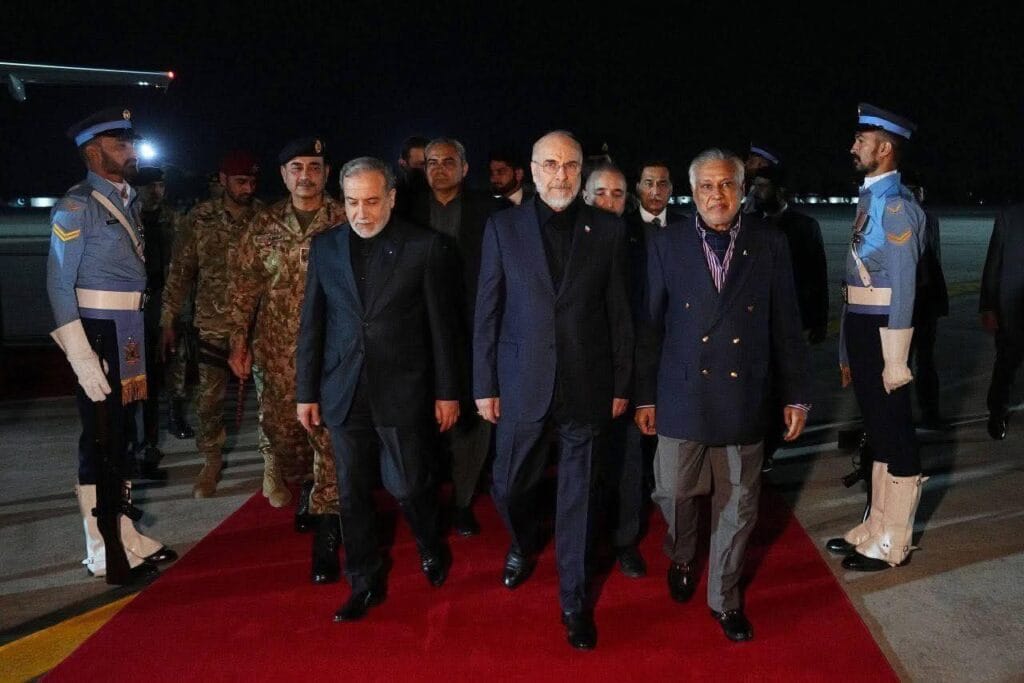
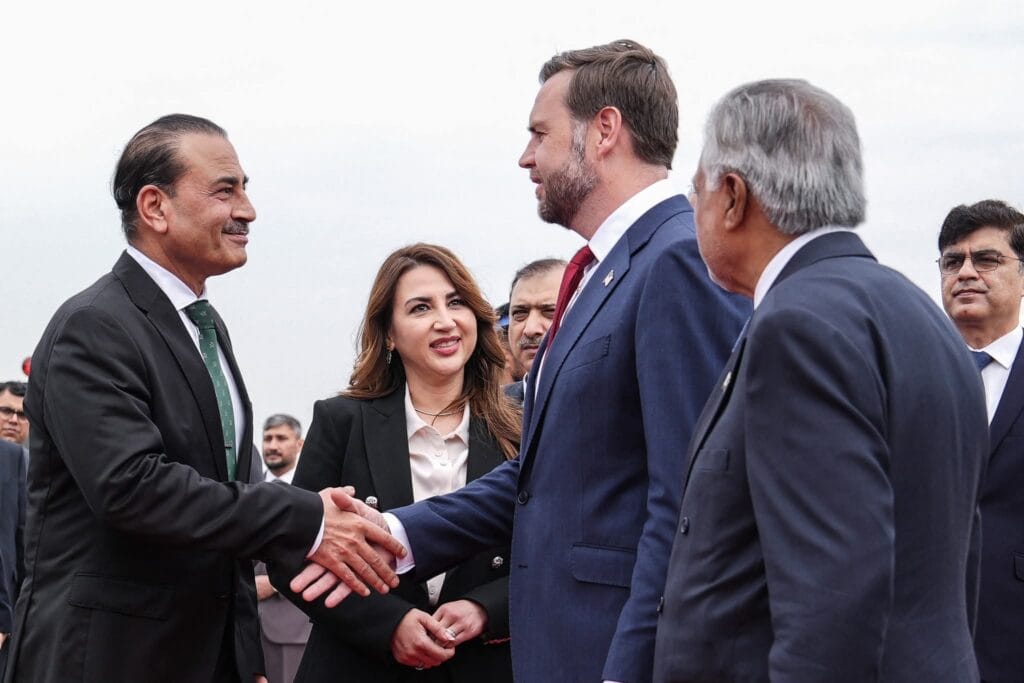
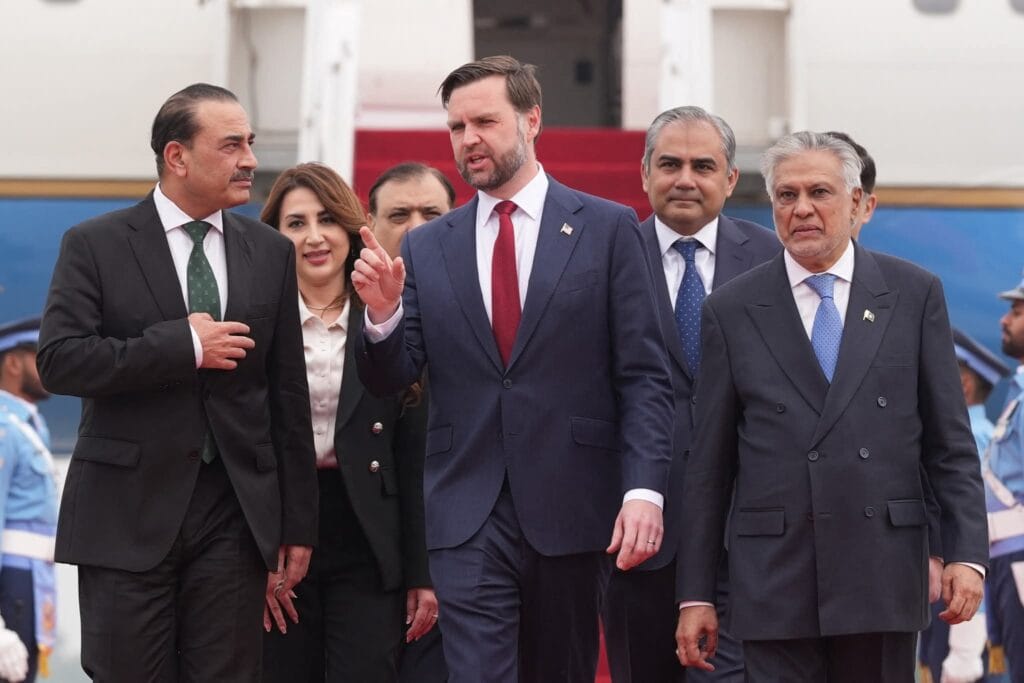
Pakistan’s internal narrative has been dominated by inflation, political instability, and energy shortages. Hosting the world’s most important peace talks distracts from these challenges and rebrands Pakistan as a responsible, stabilizing actor. For a nation often associated with terrorism and military coups, the image of a Pakistani general shaking hands with an Iranian ayatollah and a US special envoy—under the same roof—is worth a billion dollars in public relations.
Positive USA
It would be incomplete to frame this solely as an Iranian-Pakistani victory. The United States deserves genuine credit for agreeing to this venue.
First, the Biden (and subsequent) administration showed strategic humility by accepting that traditional venues (Europe, Qatar) had failed. It took courage to say “yes” to a country with no extradition treaty with the US and a population largely sympathetic to Iran.
Second, the US demonstrated pragmatic maturity by separating Pakistan’s internal politics from its diplomatic utility. Despite past tensions over the Taliban and nuclear proliferation, Washington recognized that Pakistan’s geographic and military assets outweigh its flaws.
Third, the US agreed to equal security protocols for both delegations—a major concession. No CIA drones overhead. No unilateral sanctions during the talks. This good-faith behavior signals that America is serious about a diplomatic off-ramp.
Finally, by empowering Pakistan, the US is indirectly strengthening the very forces of moderation within the Islamic world. A stable, economically revived Pakistan that trades with both Tehran and Washington is a nightmare for extremists and a dream for global security.
The Islamabad Moment
The decision to host Iran-US peace talks in Pakistan was not a coincidence. It was the logical conclusion of 13 interlocking realities—from military power and economic desperation to cultural trust and strategic ambition. For Iran, Pakistan is a loyal neighbor with no American bases. For the US, it is a capable security guarantor with lines open to Tehran. For the world, it is the last best hope to prevent a catastrophic war.
As the delegates sit down in Islamabad, one thing is clear: peace rarely comes from the comfortable. It comes from the courageous. And on this day, Pakistan—often misunderstood, often underestimated—has earned its place at the table of history.
Reason Summary
1 Supreme Leader’s personal trust in Pakistan
2 World-class military security
3 Decades of Tehran-Islamabad ties
4 No US bases = true neutrality
5 80% oil imports = economic self-interest in peace
6 900km border = fear of refugee spillover
7 Part of Turkey-Egypt diplomatic bloc
8 Saudi defense pact pressures Pakistan to mediate
9 Public uproar after Khamenei’s martyrdom
10 Chance for regional leadership
11 Historical trust since 1947
12 Long-term trade & security gains
13 Domestic image rehabilitation
Rasheed Ahmad Chughtai
Rasheed Ahmad Chughtai
www.rachughtai.com