A Clarion Call from Tehran: Why Larijani’s Letter is a Necessary Voice of Conscience for the Muslim World
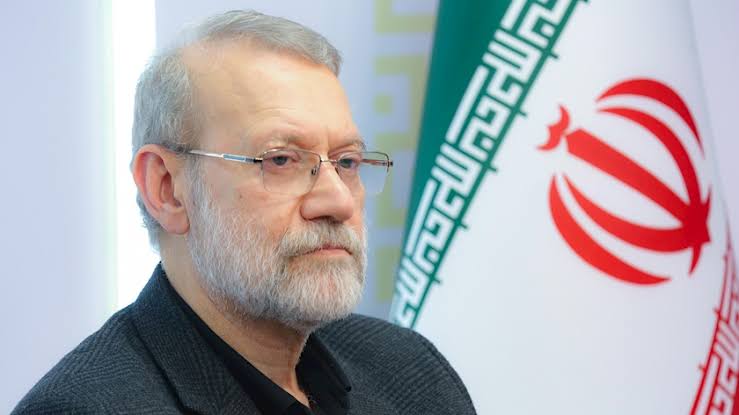
Larijani
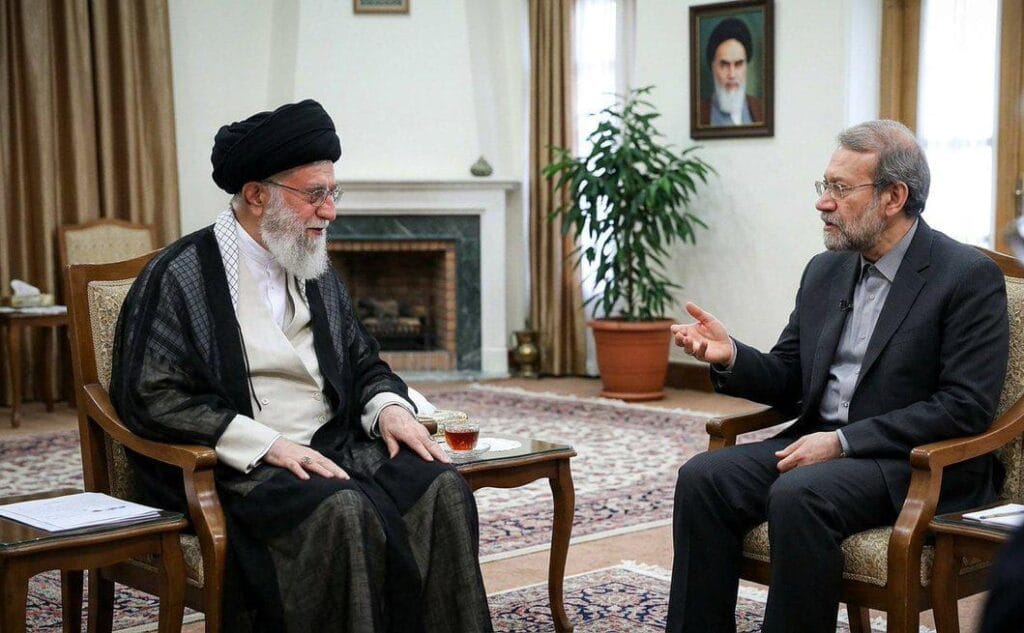
A Clarion Call from Tehran: Why Larijani’s Letter is a Necessary Voice of Conscience for the Muslim World
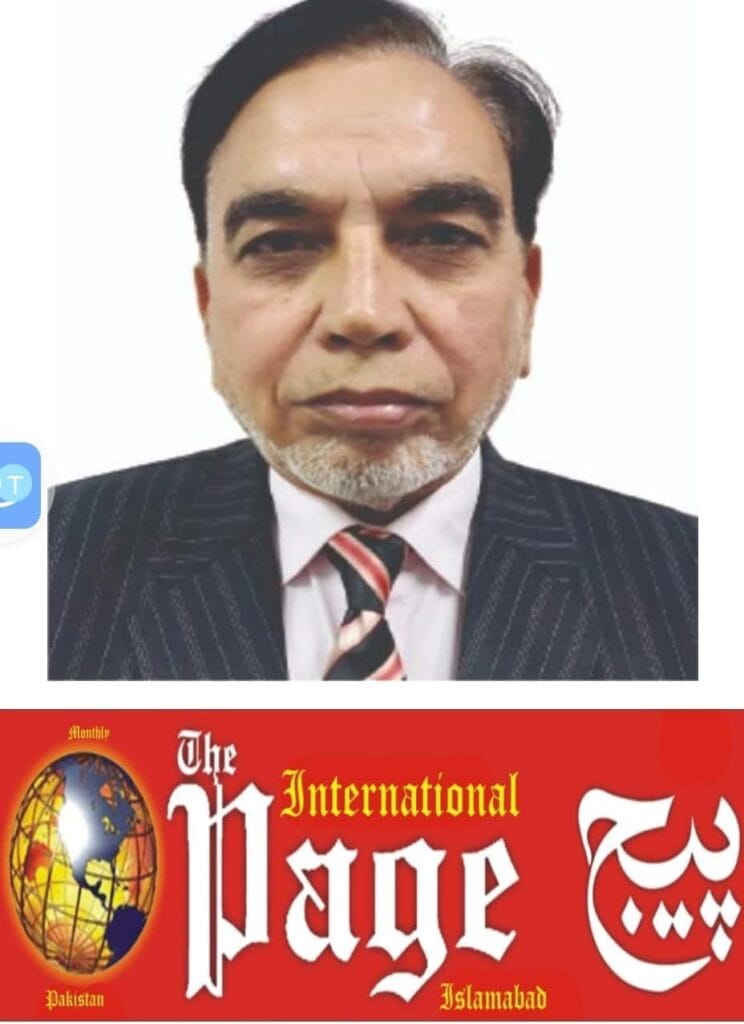
Rasheed Ahmad Chughtai
thepageintl.pk@gmail.com
In the tumultuous landscape of Middle Eastern geopolitics, where alliances are fragile and narratives are often written by the victors, a powerful and direct message has emerged from Tehran. The six-point letter from Dr. Ali Larijani, Secretary of Iran’s Supreme National Security Council, addressed to the Muslims of the world and Islamic countries, is more than just a diplomatic communiqué. It is a profound and timely clarion call—a voice of conscience demanding that the Islamic world take a long, hard look in the mirror.
While some may perceive the letter as confrontational, a fair and positive analysis reveals it to be a document of remarkable courage, strategic clarity, and a deep, brotherly concern for the future of the Ummah. Far from being divisive, it seeks to heal a dangerous rift by stating uncomfortable truths, much like a concerned elder brother would. Here is why Dr. Larijani’s message deserves not just our attention, but our support.
1. A Testament to Unyielding Resistance and National Sovereignty
The letter begins by grounding the discussion in a recent, painful reality: a “deceptive American-Zionist attack” on Iranian soil. This is not a theoretical grievance but a tangible wound. Dr. Larijani rightly highlights the profound silence that followed. He pivots this tragedy into a point of immense pride, showcasing the “national and Islamic resistance of the Iranians.” The message here is one of empowerment. It reminds the Ummah that even in the face of a wicked enemy and without immediate state-level support, a nation fortified by faith and will can not only survive but emerge stronger, leaving the enemy in a “strategic deadlock.” This is a powerful lesson in self-reliance for all nations.
2. An Honest and Necessary Confrontation with Silence
The most powerful aspect of the letter is its second and third points: the gentle but firm admonishment of the silence from other Islamic states. Dr. Larijani invokes the sacred words of the Prophet Muhammad (PBUH)—”If you do not respond to the cry of a Muslim, you are not a Muslim”—to frame the issue not merely as a political failing, but as a spiritual and moral one.
This is not an attack; it is an invitation to introspection. For too long, the concept of Muslim unity has been a slogan rather than a reality. By asking, “What kind of Muslim is this?!”, Dr. Larijani is doing the vital work of waking the Ummah from its slumber of complacency. He is holding up a mirror to the Islamic world and asking: If we cannot stand with one another when our brother’s home is under direct attack, when are we supposed to stand together? This is a necessary and courageous question that demands an answer.
3. Exposing the False Dichotomy and the Real Enemy
In his fourth point, Dr. Larijani masterfully dismantles a dangerous narrative. He addresses the absurdity of some countries labeling Iran as an enemy for defending itself against attacks launched from American bases on their soil. This is a logical and powerful argument. He reframes the conflict, stripping away the complex layers of propaganda to reveal its true, binary nature: “on one side of today’s battle are America and Israel, and on the other side are Muslim Iran and the resistance forces.”
He is essentially asking a question that cuts through all diplomatic niceties: Which side are you on? This is a critical service to the Islamic world. It forces a decision. It highlights the uncomfortable truth that hosting foreign forces that attack a neighboring Muslim country is a fundamental contradiction of Islamic brotherhood. The letter supports the idea that true sovereignty and dignity lie in siding with the forces of resistance against occupation and aggression.
4. A Vision of a Benefactor, Not a Hegemon
Perhaps the most important reassurance comes in the fifth point: “Iran is your benefactor and has no intention of dominating you.” This is a crucial distinction. Dr. Larijani is not calling for a new empire or a Persian-dominated order. He is calling for a partnership of equals, bound by a shared faith and a shared destiny. He appeals to the self-interest of these nations, reminding them that America has “no loyalty” to them and that Israel is their “enemy.” This is a call to look beyond immediate political calculations and towards the long-term security and independence of the region. It frames Iran not as a threat, but as a cornerstone of a stable, independent, and dignified future for all.
5. The Unity of the Ummah as the Ultimate Guarantor of Success
The letter concludes with a powerful and hopeful vision: “The unity of the Islamic nation with all its might can ensure and guarantee the security, excellence and independence of countries for all.”
This is the ultimate goal, the very reason for the letter’s existence. Dr. Larijani is not simply criticizing; he is building a case for a better future. He argues that the current path of division and silence only serves the enemies of Islam. The path to strength, to true security, and to global respect lies in unity. This final point is a beacon of hope, reminding us that the challenges we face are surmountable if we face them together.
Conclusion: A Message We Must Heed
Dr. Larijani’s letter is a masterpiece of political and moral clarity. It is a courageous document that speaks truth to power within the Islamic world. It supports the cause of the oppressed, it champions the right to self-defense, and it dares to ask the difficult questions that others are too polite or too fearful to pose.
We should support the spirit of this message because it is a call for dignity, for self-respect, and for a return to the core principles of Islamic brotherhood. It is a reminder that in a world of shifting alliances and fleeting loyalties, the bond of faith and the pursuit of justice are the only foundations upon which a secure and prosperous future can be built. This letter is not the voice of division; it is the voice of a concerned brother trying to reunite the family before it is too late. It is a voice we must all listen to.
Rasheed Ahmad Chughtai
www.rachughtai.com