Title: International Women’s Day in Diplomacy: Successes, Observations & A Call for a More Positive Future
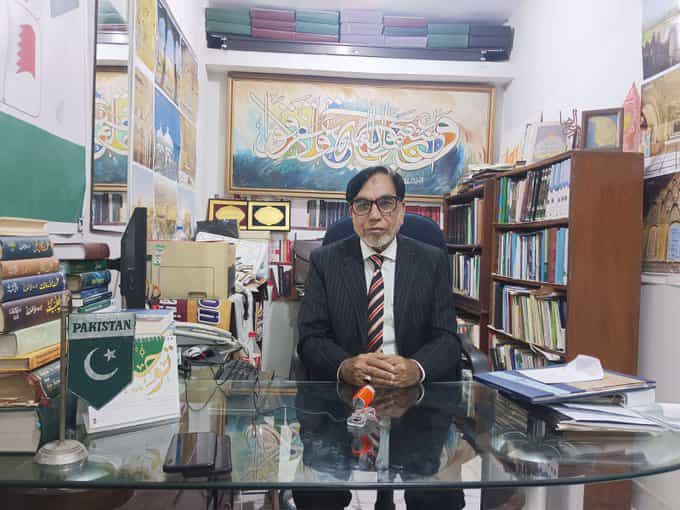
Rasheed Ahmad Chughtai
www.rachughtai.com
Introduction
International Women’s Day, celebrated globally on March 8th, serves as a powerful reminder of the achievements and ongoing struggles of women in every sphere of life. Within the realm of diplomacy—a field historically dominated by men—women have steadily carved out a space of influence, leadership, and transformative change. Today, the presence of women in diplomacy is not just symbolic; it is strategic, impactful, and essential for peace, dialogue, and inclusive decision-making.
Successes in Women’s Diplomacy
- Breaking Barriers
From Ambassador Shaheda Jaffer of Tanzania to U.S. Vice President Kamala Harris, and from Catherine Ashton (former EU foreign policy chief) to Pakistan’s own late diplomat Begum Shaista Ikramullah—women have increasingly taken on leadership roles in international relations and foreign policy, shattering the traditional glass ceiling. - Peacebuilding and Conflict Resolution
Women diplomats have often played pivotal roles in negotiations and peace talks. The United Nations Security Council Resolution 1325, which emphasizes the role of women in peace and security, stands as a global acknowledgment of their value in conflict resolution and post-conflict rebuilding. - Human Rights Advocacy
Women in diplomatic roles have led initiatives on gender equality, education, healthcare, and the protection of marginalized communities. Their leadership brings human-centric policies to the forefront of international agendas. - Multilateral Cooperation
Female diplomats have fostered strong networks of cooperation through regional organizations such as the African Union, the EU, and the Organization of Islamic Cooperation (OIC), bringing unique insights into multilateral diplomacy and enhancing mutual understanding among nations.
Observations and Areas for Growth
- Underrepresentation Still Exists
Despite progress, women still represent a minority in top diplomatic and leadership roles, especially in conflict zones and traditional power structures. Structural barriers, cultural norms, and lack of support systems continue to restrict their upward mobility. - Need for Gender-Sensitive Policies
Many diplomatic institutions lack gender-sensitive protocols and inclusive work environments. Addressing issues like maternity leave, workplace harassment, and representation in high-stakes negotiations remains an ongoing challenge. - Tokenism vs. True Inclusion
Often, women are brought into diplomatic roles for optics rather than genuine empowerment. True gender equality in diplomacy demands recognition of women as principal decision-makers, not merely ceremonial representatives.
Creating a More Positive Diplomatic Atmosphere for Women
- Institutional Reforms
Governments and international bodies must adopt proactive measures to ensure gender balance in diplomatic appointments. Quotas, mentorship programs, and leadership training for women can help bridge the gap. - Championing Female Voices
Conferences, negotiations, and peace tables must include women not just as participants but as leaders and mediators. Their perspectives are crucial in formulating policies that are inclusive, just, and sustainable. - Celebrating Role Models
Recognizing and highlighting the achievements of female diplomats at national and global forums inspires young women and girls to aspire toward diplomatic careers. Visibility fosters aspiration. - Cross-Cultural Solidarity
Diplomatic missions should initiate women-led dialogues across borders, cultures, and faiths to create shared platforms for peace, innovation, and humanitarian action.
Conclusion
International Women’s Day in Diplomacy is more than a celebration—it is a reaffirmation of the belief that peace, justice, and global harmony cannot be achieved without women at the table. As we reflect on the successes and the road still ahead, let us pledge to build a diplomatic environment that honors merit, embraces inclusion, and radiates positivity. Women are not just part of diplomacy—they are reshaping it for the better.
Let us move forward not with tokenism, but with trust, equity, and respect for the boundless potential of women in diplomacy.