
International Women’s Day
Rights, Justice, and Action for All Women and Girls
An Islamic and Global Perspective
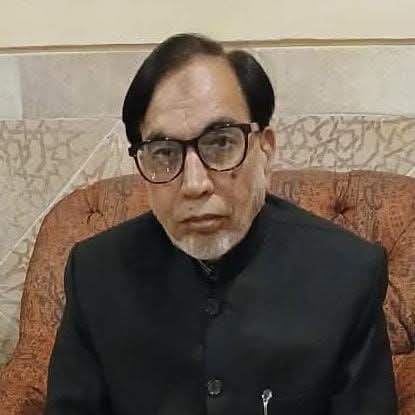
By Rasheed Ahmad Chughtai
Every year on International Women’s Day, celebrated on 8 March, the world reflects on the dignity, rights, and empowerment of women. The theme “Rights. Justice. Action. For ALL Women and Girls.” calls upon governments, institutions, and societies to eliminate structural barriers, strengthen legal protections, and promote equality and dignity for women and girls everywhere.
While modern discussions about women’s rights often focus on contemporary legal frameworks and social movements, it is essential to recognize that Islam established comprehensive rights for women more than fourteen centuries ago. The Holy Quran, the teachings of Prophet Muhammad (PBUH), and the sermons of Imam Ali (AS) provide a profound foundation for justice, dignity, and equality for women.
The Quranic Vision of Women’s Dignity
The Holy Quran emphasizes that men and women are equal in their spiritual worth and human dignity.
Allah says in the Quran:
“O mankind! Be conscious of your Lord, who created you from a single soul, and from it created its mate, and from both spread many men and women.”
(Quran 4:1)
This verse clearly establishes that men and women originate from the same soul, emphasizing equality in creation.
Another verse highlights equality in reward and responsibility:
“Indeed, the Muslim men and Muslim women, the believing men and believing women… Allah has prepared for them forgiveness and a great reward.”
(Quran 33:35)
This verse removes any doubt that women have equal spiritual status and accountability before Allah.
The Quran also commands justice and respect in family life:
“And live with them in kindness.”
(Quran 4:19)
This verse forms the foundation of respectful marital relationships and protection of women’s rights.
Furthermore, the Quran acknowledges women’s independent rights in property and financial matters:
“For men is a share of what they have earned, and for women is a share of what they have earned.”
(Quran 4:32)
This verse demonstrates that Islam recognized women’s economic independence centuries before many modern societies did.
Sayings of the Holy Prophet Muhammad (PBUH)
The teachings of Prophet Muhammad (peace be upon him) emphasize kindness, respect, and protection of women.
The Prophet (PBUH) said:
“The best of you are those who are best to their women.”
(Tirmidhi)
This hadith establishes that a person’s moral excellence is measured by how they treat women.
Another famous saying of the Prophet (PBUH):
“Women are the twin halves of men.”
(Abu Dawood)
This statement clearly indicates equality in humanity and dignity.
The Prophet (PBUH) also emphasized the importance of educating women:
“Seeking knowledge is obligatory upon every Muslim.”
(Ibn Majah)
Islamic scholars explain that the word “Muslim” includes both men and women, confirming the obligation of education for all.
The Prophet (PBUH) also raised the status of daughters in a society that once buried female infants alive:
“Whoever raises two daughters with kindness until they reach maturity will be with me in Paradise.”
(Muslim)
This teaching revolutionized the status of women in Arabia and beyond.
The Teachings of Imam Ali (AS)
The sermons and letters of Ali ibn Abi Talib (Imam Ali AS) in Nahj al-Balagha contain profound guidance regarding justice and human dignity, including the rights of women.
Imam Ali (AS) said:
“People are of two kinds: either your brothers in faith or your equals in humanity.”
This statement establishes a universal principle of human equality, which includes respect for women as full members of society.
In another instruction to his governors, Imam Ali emphasized compassion and justice:
“Fill your heart with mercy for the people, love for them, and kindness toward them.”
Such governance principles apply equally to the protection of women’s rights and welfare.
Imam Ali (AS) also highlighted the importance of family harmony:
“Treat women kindly, for they are entrusted to you.”
This teaching reinforces the Islamic principle that women must be treated with dignity, protection, and respect.
Women’s Rights in Early Islamic Society
Islam was revolutionary in granting women rights that were unprecedented in the 7th century:
• Right to inherit property
• Right to own wealth independently
• Right to consent to marriage
• Right to education
• Right to participate in social and economic life
Prominent women in early Islamic history demonstrate this empowerment:
• Khadija bint Khuwaylid – a successful businesswoman and the first believer in Islam.
• Fatimah al-Zahra – a symbol of knowledge, patience, and leadership.
• Zaynab bint Ali – whose courage after the tragedy of Battle of Karbala preserved the message of justice and resistance against oppression.
These examples illustrate that Islamic history contains powerful models of women’s leadership and resilience.
The Global Situation of Women Today
Despite international declarations and legal frameworks, millions of women worldwide continue to face discrimination, violence, and structural inequality.
In many regions, women struggle with:
• Economic inequality
• Limited political representation
• Violence and exploitation
• Barriers to education
The global community must therefore transform slogans into real action and policy reform.
The Role of the United States and Europe
Countries such as the United States and many nations in Europe often present themselves as champions of women’s rights. Indeed, these societies have made important advances in areas such as education, employment opportunities, and legal protections.
However, serious challenges remain:
• Wage gaps between men and women
• Gender-based violence
• Exploitation of women in media and commercial industries
• Discrimination against migrant and minority women
Furthermore, Western foreign policies sometimes contradict their stated values when conflicts and wars disproportionately harm women and children in regions such as the Middle East and Asia.
True commitment to women’s rights requires consistent ethical policies both domestically and internationally.
Women’s Rights in Gulf Countries
In recent years, several **Gulf Cooperation Council countries have introduced reforms aimed at improving women’s participation in society.
For example:
• Expanded employment opportunities
• Greater access to education
• Increasing roles in public administration and business
Countries such as Saudi Arabia, United Arab Emirates, and Qatar have taken steps to integrate women more actively into economic and professional sectors.
However, challenges remain in ensuring full legal equality, protection from domestic abuse, and broader political participation.
Sustainable reform requires institutional commitment and cultural transformation that aligns with both Islamic values and universal human rights.
Eliminating Structural Barriers
To truly achieve the theme “Rights, Justice, Action for All Women and Girls,” several steps are essential:
1. Strengthening legal protections against violence and discrimination.
2. Expanding educational opportunities for girls worldwide.
3. Ensuring economic empowerment and fair employment practices.
4. Promoting women’s leadership in governance and diplomacy.
5. Protecting women in conflict zones and humanitarian crises.
Islamic teachings strongly support these goals because justice (Adl) and compassion (Rahmah) are central principles of Islam.
A Call for Moral and Global Responsibility
International Women’s Day is not merely a symbolic event; it is a reminder of humanity’s moral responsibility to protect the dignity of half of its population.
The teachings of the Quran, the guidance of Prophet Muhammad (PBUH), and the wisdom of Imam Ali (AS) all emphasize justice, compassion, and respect for women.
A just world can only be built when women and men work together as partners in the pursuit of peace, justice, and human dignity.
As the Quran reminds humanity:
“Indeed, Allah commands justice, excellence, and giving to relatives and forbids immorality, wrongdoing, and oppression.”
(Quran 16:90)
This divine command serves as a universal framework for building societies where all women and girls live with dignity, safety, and equal opportunity.
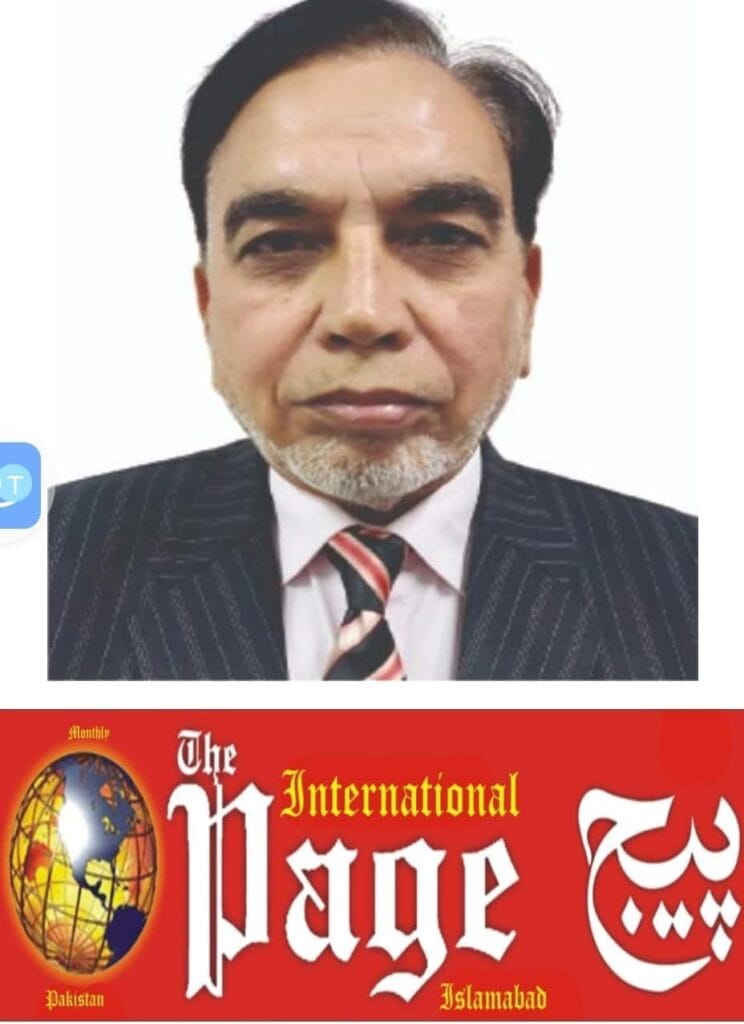
Rasheed Ahmad Chughtai
www.rachughtai.com