
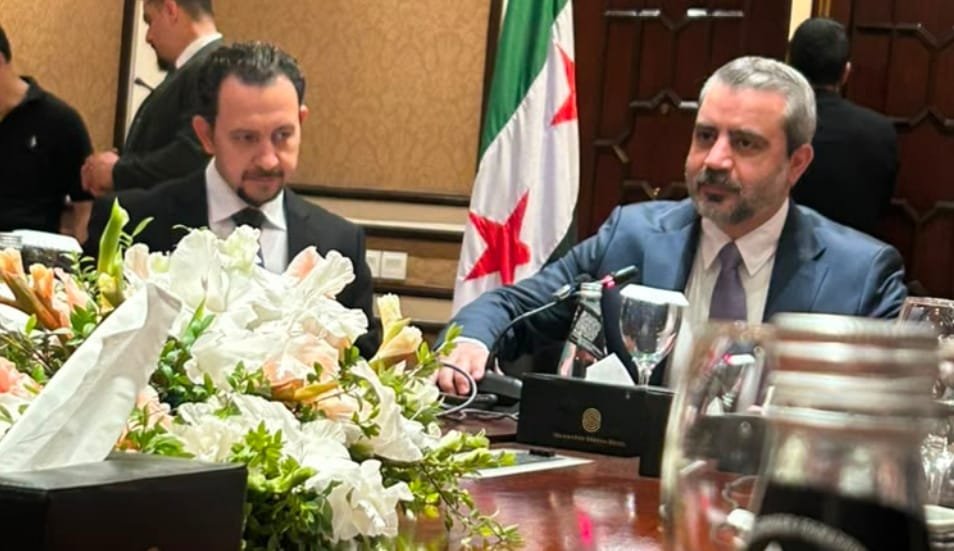
Syria Looks to Reset Its Foreign Policy: Pakistan Visit Signals Strategic Shift, Regional Realignment, and Questions Over Abraham Accords

By
Rasheed Ahmad Chughtai
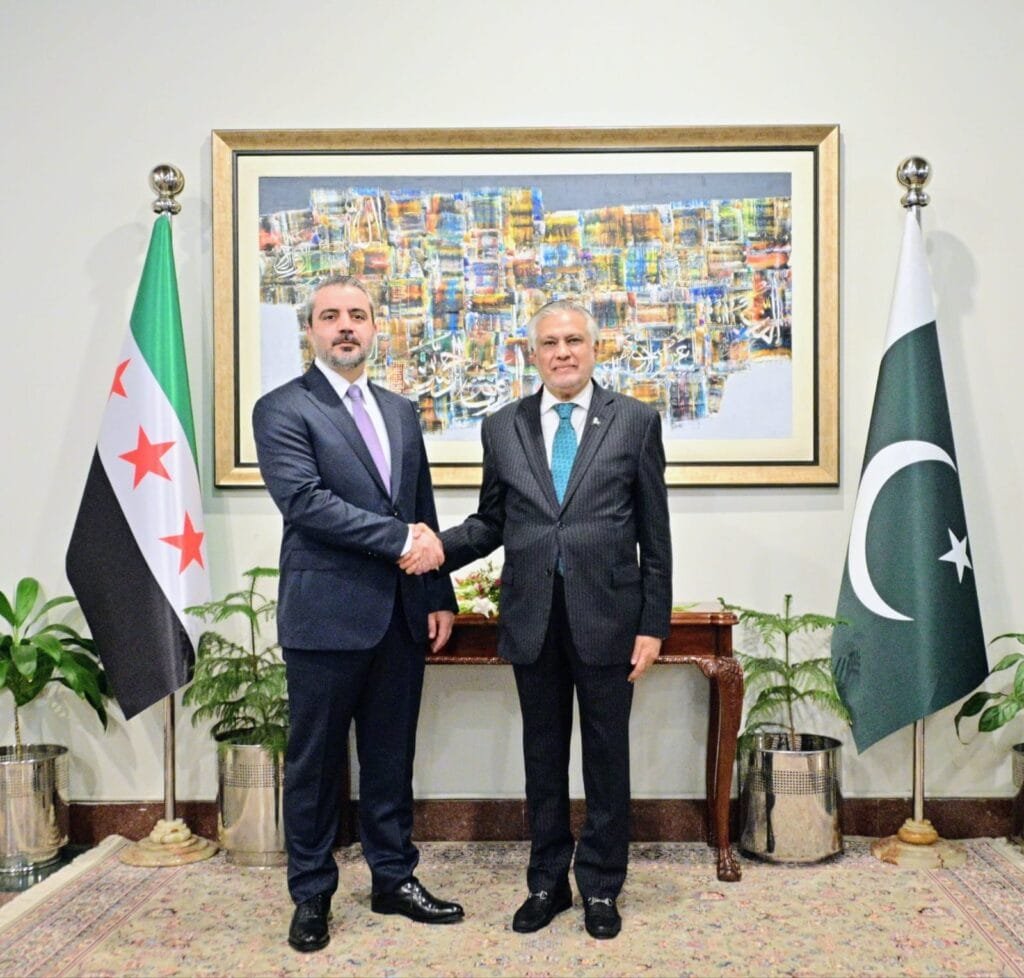
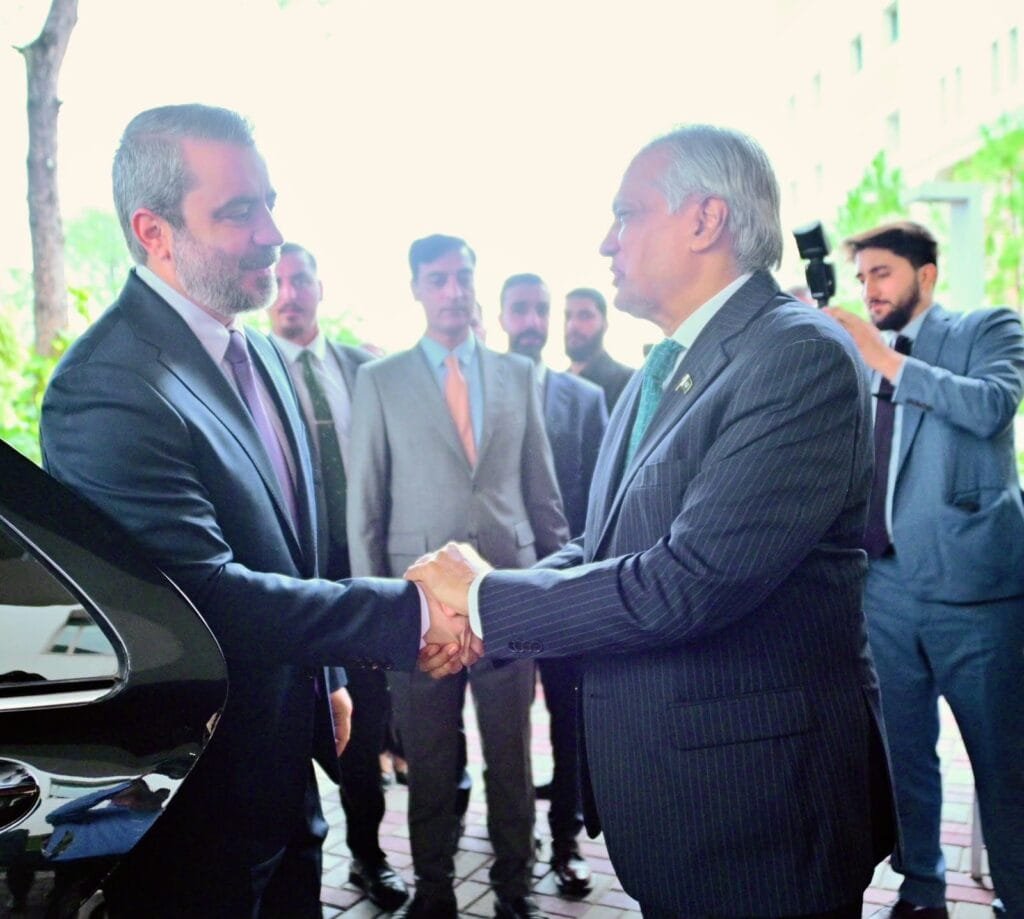
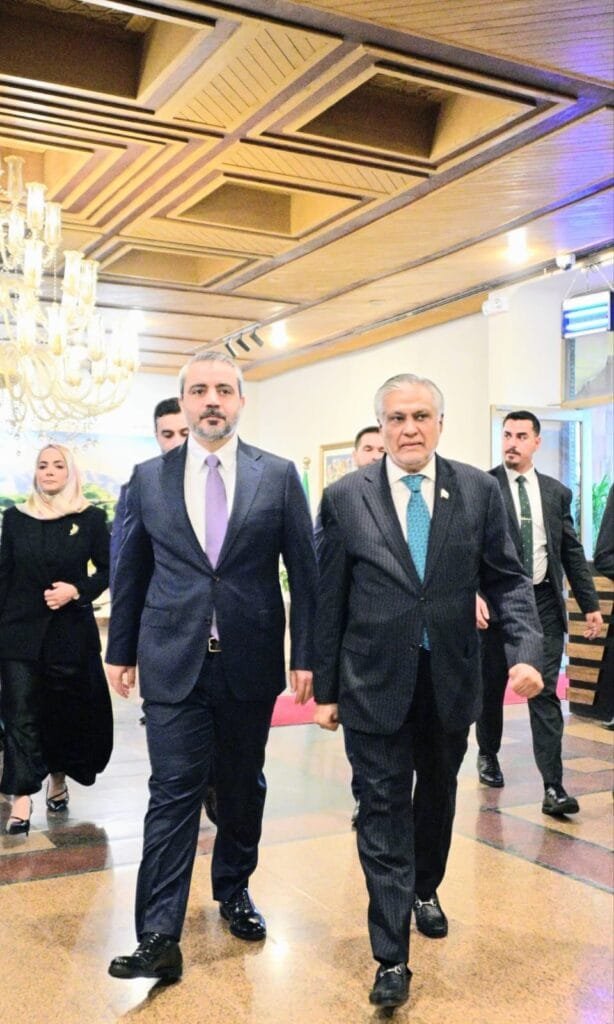
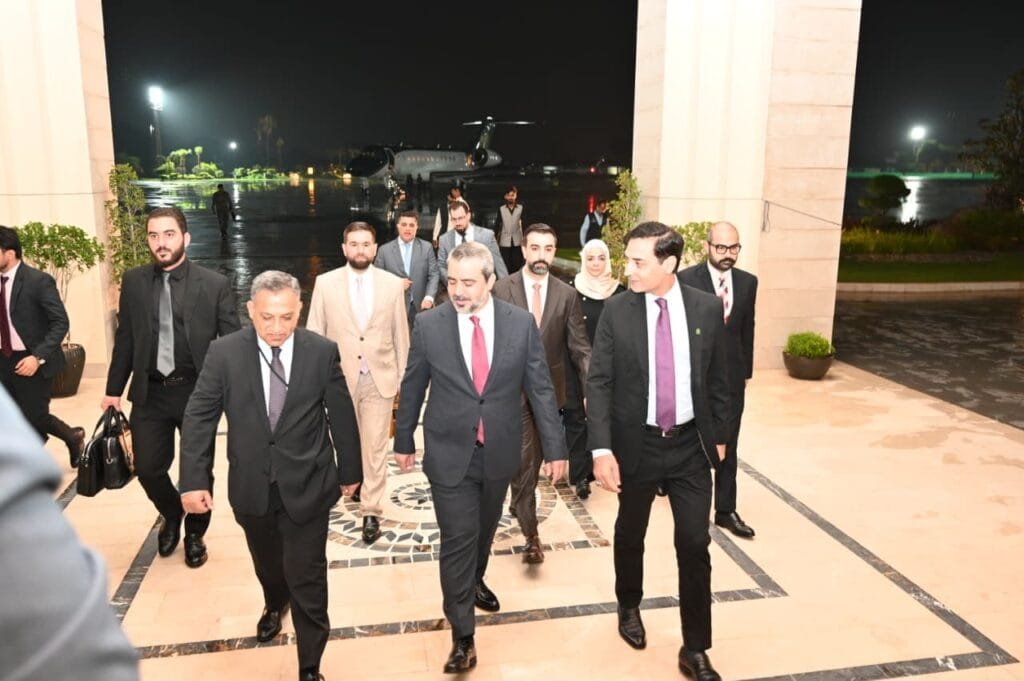
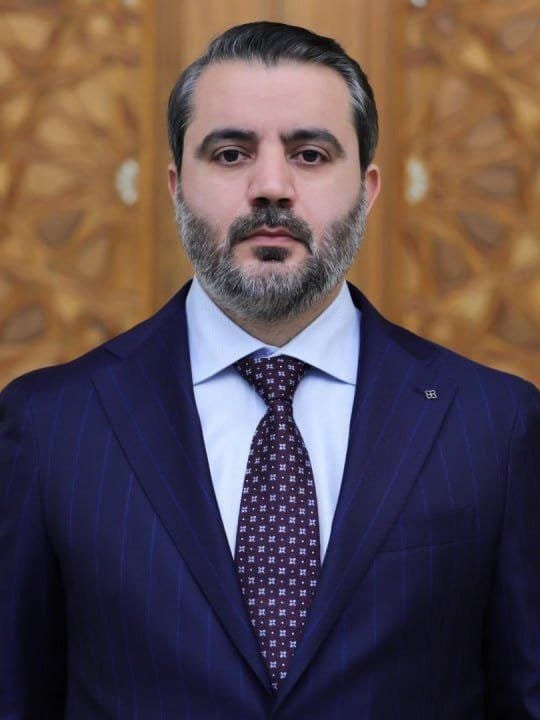
The visit of Syrian Foreign Minister Asaad Hassan Al-Shaibani to Pakistan marks a significant milestone in bilateral relations, being the first visit by a Syrian foreign minister to Islamabad in more than two decades. Beyond diplomatic symbolism, the visit highlighted Syria’s evolving foreign policy under President Ahmed al-Sharaa, whose government is attempting to rebuild the war-ravaged country, diversify international partnerships, and redefine its regional position.
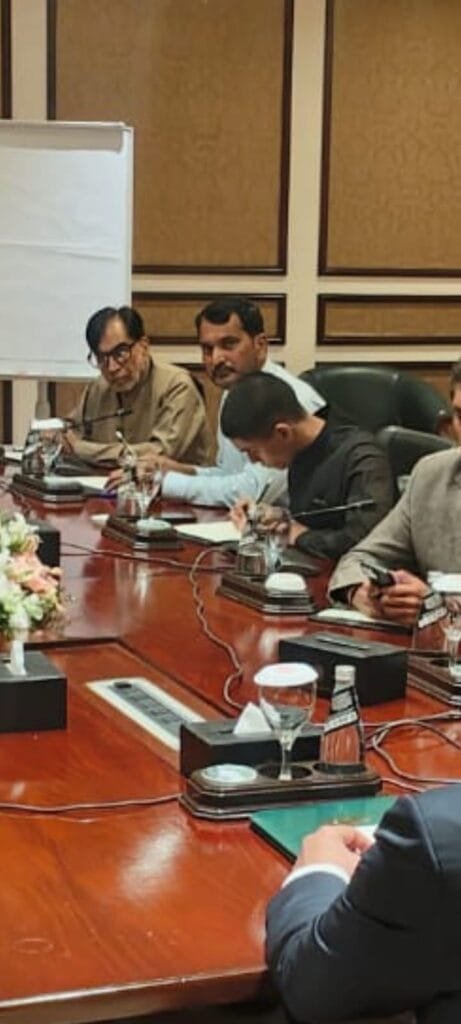
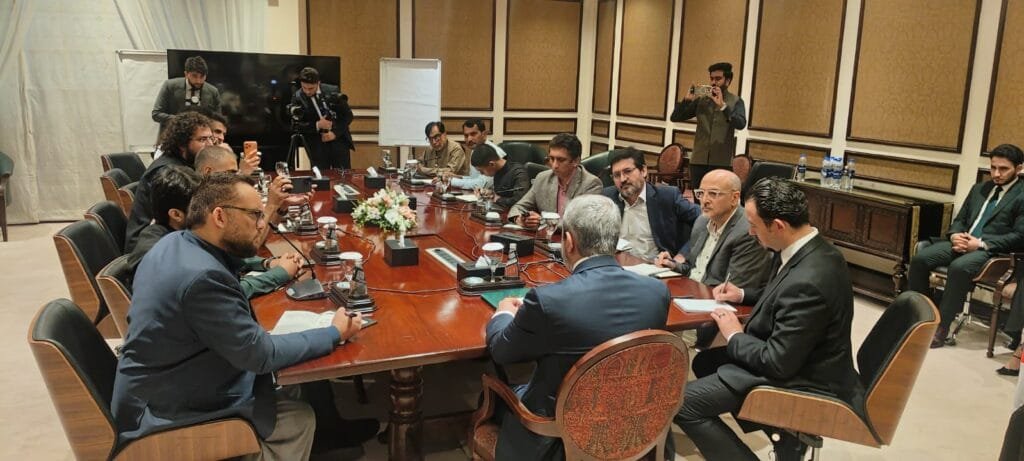
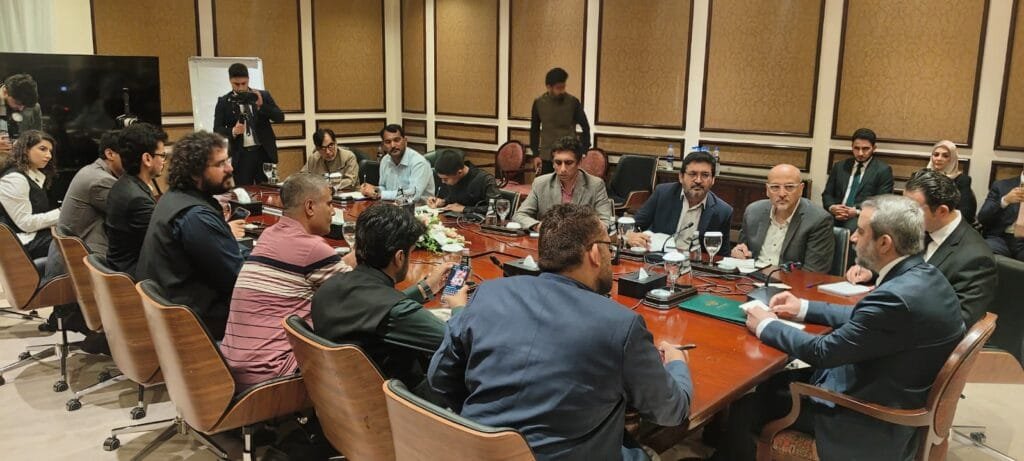
The high-level meetings between the Syrian delegation and Pakistani leadership covered political, economic, defence, trade, investment, and reconstruction cooperation. More importantly, the visit revealed Damascus’ willingness to rethink longstanding foreign policy positions, including its relations with Iran and its openness to broader regional diplomatic initiatives.
Pakistan Reaffirms Support for Syria
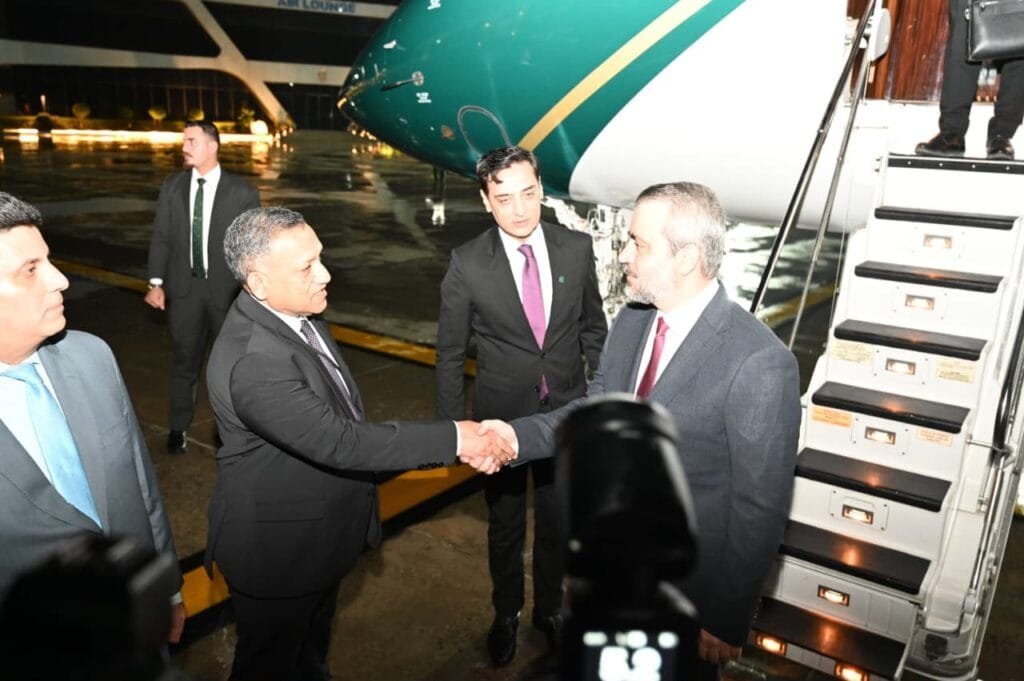
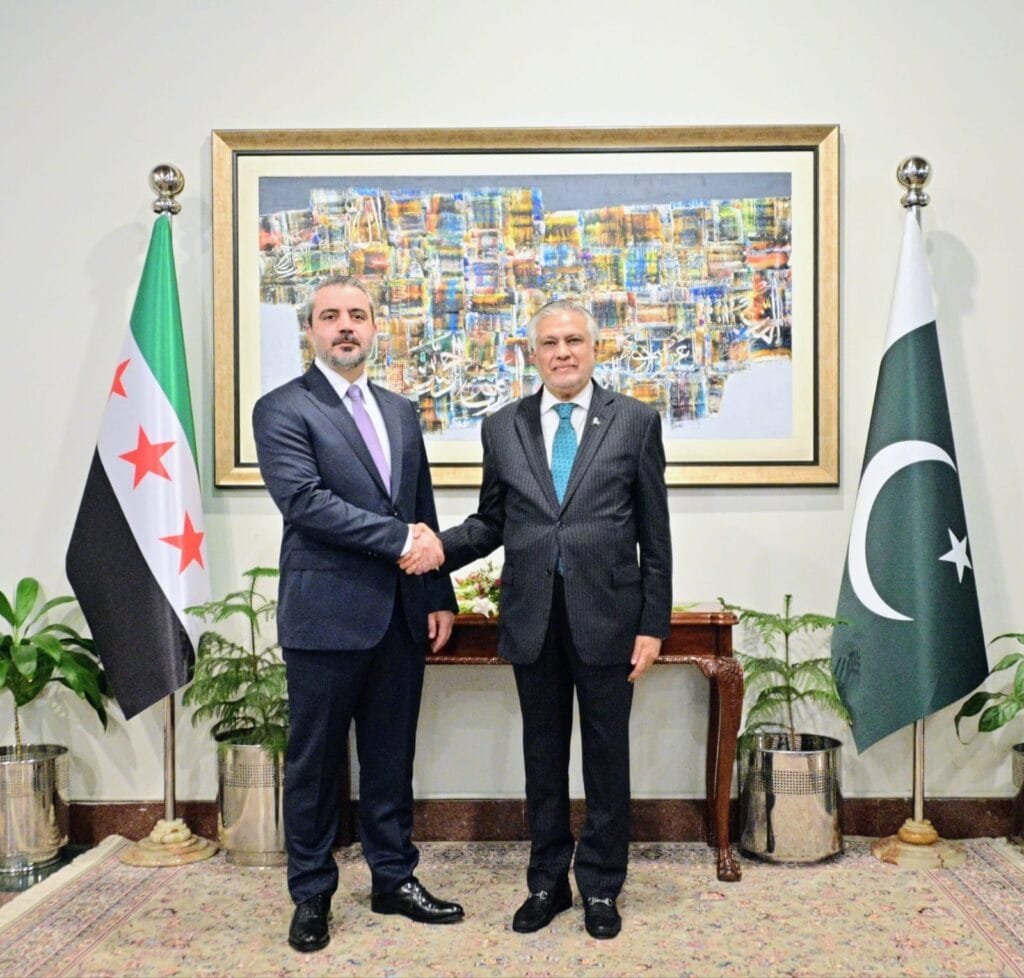
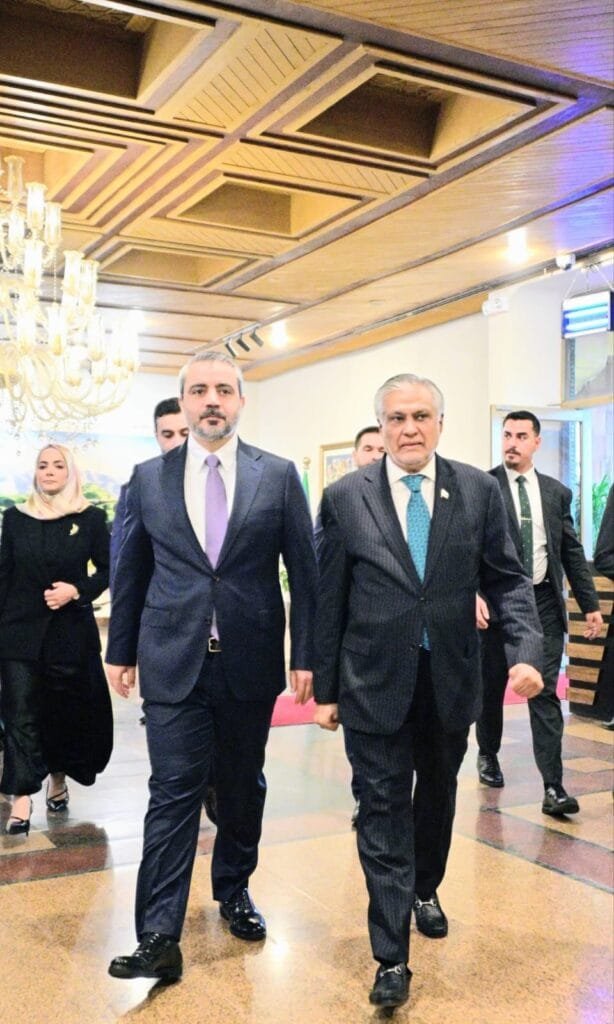
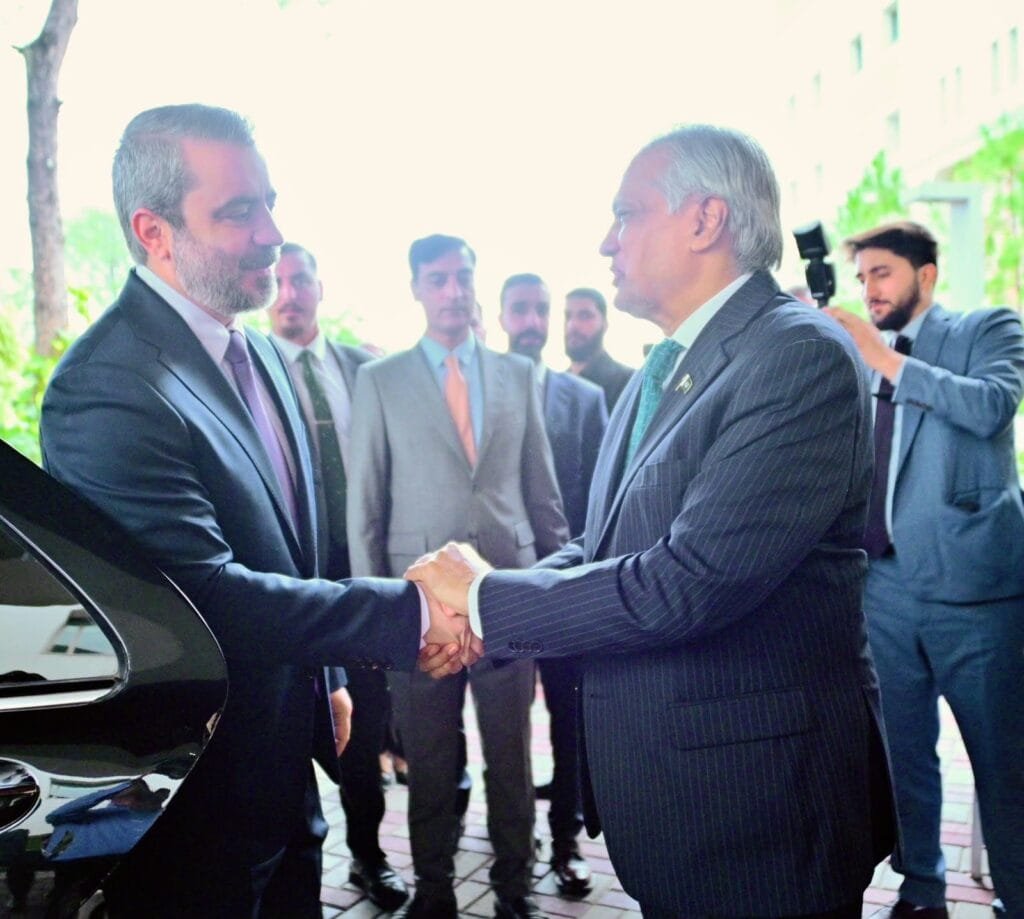
During the meeting, Prime Minister Muhammad Shehbaz Sharif reiterated Pakistan’s unwavering support for Syria’s sovereignty, territorial integrity, and national unity. He also reaffirmed Pakistan’s support for Syria’s position on the occupied Golan Heights.
The Prime Minister emphasized that the decades-old friendship between Pakistan and Syria should now be translated into tangible cooperation through:
– Political engagement
– Defence cooperation
– Trade and investment
– Education and human resource development
– Reconstruction assistance
– Direct air connectivity
– Religious tourism and pilgrimage
Pakistan also invited Syrian President Ahmed al-Sharaa to undertake an official visit to Islamabad.
Economic Cooperation Becomes a Priority
Meetings with Pakistan’s Commerce Minister Jam Kamal Khan focused heavily on expanding economic relations.
Both sides acknowledged that current bilateral trade remains far below its potential.
Pakistan expressed interest in exporting:
– Pharmaceuticals
– Textile products
– Surgical instruments
– Sports goods
– Leather products
– Information technology services
– Agricultural products
Meanwhile, Syria invited Pakistani companies to participate in reconstruction projects involving:
– Housing
– Real estate
– Energy
– Ports
– Transport infrastructure
– Agriculture
– Manufacturing
Several proposals were discussed, including:
– Establishing a Pakistan-Syria Joint Business Council
– Holding a Pakistan-Syria Investment Forum in Damascus
– Reactivating the Joint Ministerial Commission
– Increasing exchanges between chambers of commerce
– Sending Pakistani trade delegations to Syria
– Expanding Pakistan’s commercial representation in Damascus
For Pakistan, post-war Syria presents an emerging reconstruction market where Pakistani businesses could find new opportunities.
Syria Reviews Regional Alliances
One of the most notable aspects of the visit was Foreign Minister Al-Shaibani’s remarks regarding the emerging cooperation among Pakistan, Saudi Arabia, and Türkiye.
He stated that Damascus is evaluating various options regarding possible cooperation with—or participation in—the evolving regional framework associated with these countries.
While no formal commitment has been announced, the statement indicates Syria’s desire to diversify its strategic partnerships rather than depend exclusively on traditional alliances.
Such diversification reflects the broader foreign policy adjustments taking place in Damascus after years of diplomatic isolation.
*Syria Signals Reassessment of Relations with Iran*
Perhaps the most politically significant comments concerned Syria’s relationship with Iran.
Asked whether Pakistan had offered to mediate between Damascus and Tehran, Al-Shaibani clarified that no such proposal had been made during the visit.
However, he stated that Syria would not oppose future mediation if Iran first acknowledged its previous role in Syria.
This represents one of the clearest public indications that Syria’s new leadership intends to fundamentally reassess relations with Tehran.
For decades, Iran was one of the Assad government’s closest allies, providing military, financial, and political support during Syria’s civil war.
The current government appears interested in pursuing a more balanced foreign policy that reduces excessive dependence on any single regional power.
Whether Tehran would accept such conditions remains uncertain.
Growing Speculation Over the Abraham Accords
Although the Syrian foreign minister did not officially announce any intention to join the Abraham Accords, growing regional speculation suggests that Damascus may eventually explore diplomatic engagement with Israel under specific conditions.
Several regional analysts believe Syria’s changing foreign policy, its desire to rebuild the economy, and its efforts to improve relations with Gulf states could eventually create space for discussions previously considered impossible.
However, substantial obstacles remain.
Israel continues to occupy the Golan Heights, and the issue remains central to Syrian national policy.
Any future normalization would almost certainly require major political concessions and security arrangements that currently appear difficult to achieve.
For now, Syrian officials continue to emphasize sovereignty and the recovery of occupied territories rather than normalization.
Syria Rejects Israeli Pressure
The visit also occurred amid heightened tensions between Syria and Israel.
Following Israeli strikes near Aleppo and reports regarding possible Turkish military activities inside Syria, Al-Shaibani delivered a firm response.
He stated that Türkiye had stood with Syria throughout the past fourteen years and remained an important strategic partner.
He added that Israel had “no right to dictate who Syria’s allies or partners should be.”
The remarks underline Damascus’ determination to maintain independent foreign policy choices despite external pressure.
Strategic Importance for Pakistan
For Pakistan, strengthening relations with Syria offers multiple strategic advantages.
Islamabad seeks greater diplomatic engagement in the Middle East while expanding export markets and participating in reconstruction projects across the region.
Pakistan also supports Syria’s territorial integrity and continues to oppose Israeli control of the Golan Heights, a position consistent with Pakistan’s long-standing foreign policy.
Direct flights and increased religious tourism could further strengthen people-to-people contacts, particularly for Pakistani pilgrims visiting important Islamic historical sites in Syria.
*A Diplomatic Success, But Challenges Remain*
The visit undoubtedly represents an important diplomatic breakthrough after years of limited engagement. Syria’s outreach to Pakistan reflects a broader effort to rebuild international relationships beyond its traditional allies.
However, several challenges deserve careful consideration.
First, Syria’s reconstruction requires billions of dollars in investment, yet international sanctions and political uncertainty continue to discourage large-scale foreign participation.
Second, although Damascus appears interested in reducing dependence on Iran, completely redefining that relationship will be extremely difficult. Iran retains considerable political, military, and economic influence inside Syria.
Third, speculation regarding possible Syrian participation in the Abraham Accords should be approached cautiously. No official Syrian policy change has been announced, and normalization with Israel remains politically sensitive because of the unresolved Golan Heights dispute.
Fourth, while expanding economic ties sounds promising, Pakistan and Syria must overcome practical obstacles including banking restrictions, transport connectivity, security concerns, and limited private-sector engagement.
Finally, Syria’s balancing act between Türkiye, Saudi Arabia, Iran, Russia, and potentially Western partners will require careful diplomacy. Any abrupt shift could create tensions with long-standing regional allies.
Foreign Minister Asaad Hassan Al-Shaibani’s visit to Pakistan signals that Syria is entering a new phase of foreign policy focused on reconstruction, economic recovery, and diversified international partnerships.
Pakistan has emerged as an important partner in this process, offering political support, economic cooperation, and diplomatic engagement.
While discussions about revising relations with Iran and speculation surrounding the Abraham Accords indicate that Syria is reconsidering aspects of its regional strategy, no dramatic policy shift has yet been announced. Instead, Damascus appears to be pursuing a pragmatic foreign policy aimed at balancing competing regional interests while rebuilding a country devastated by more than a decade of conflict.
The success of this new diplomatic direction will ultimately depend on Syria’s ability to secure reconstruction investment, manage complex regional rivalries, and translate diplomatic goodwill into concrete economic and political outcomes.
Rasheed Ahmad Chughtai
www.rachughtai.com