*Hajj: A Living Message for the Muslim Ummah in Times of Crisis*
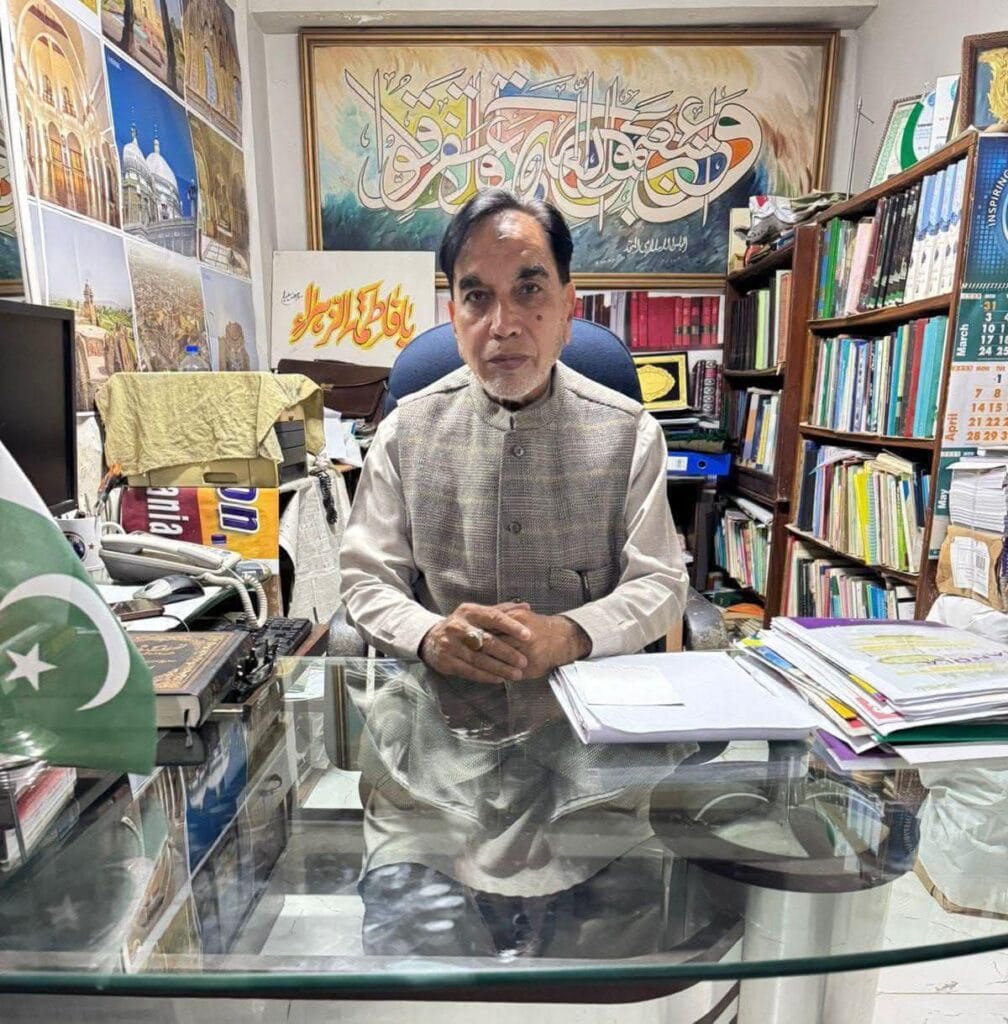
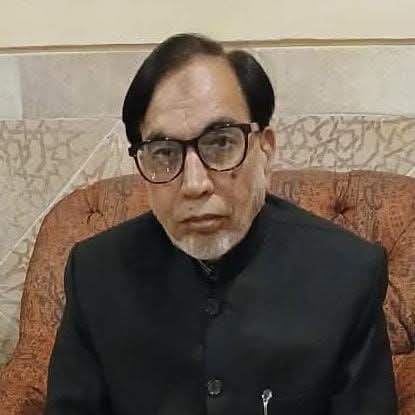
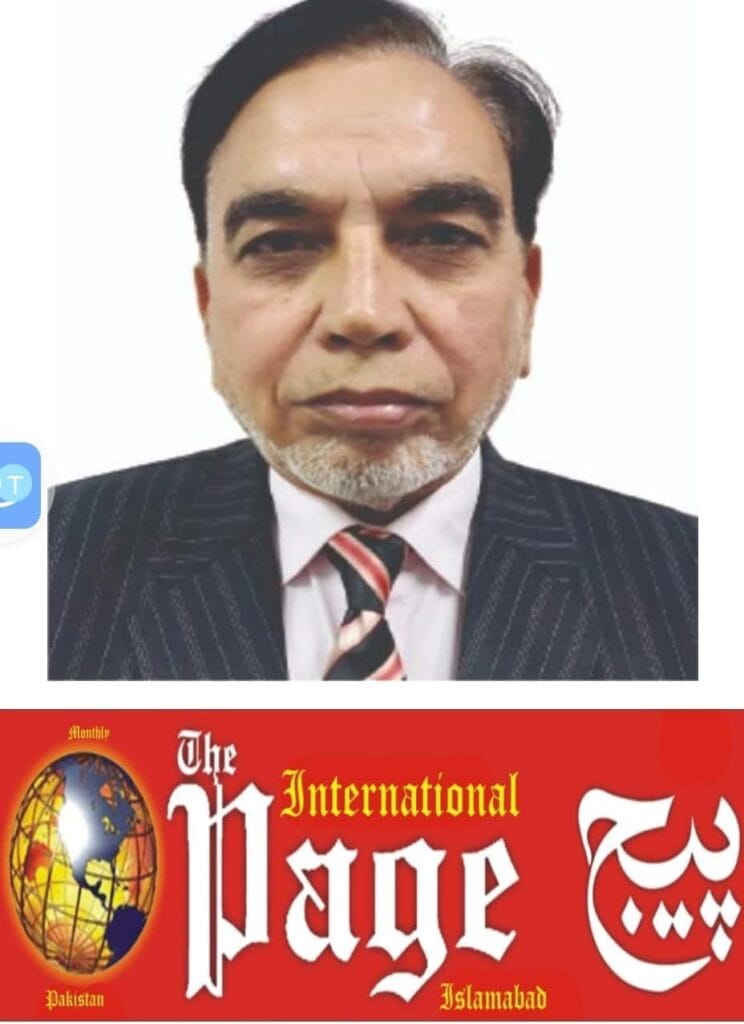
Rasheed Ahmad Chughtai
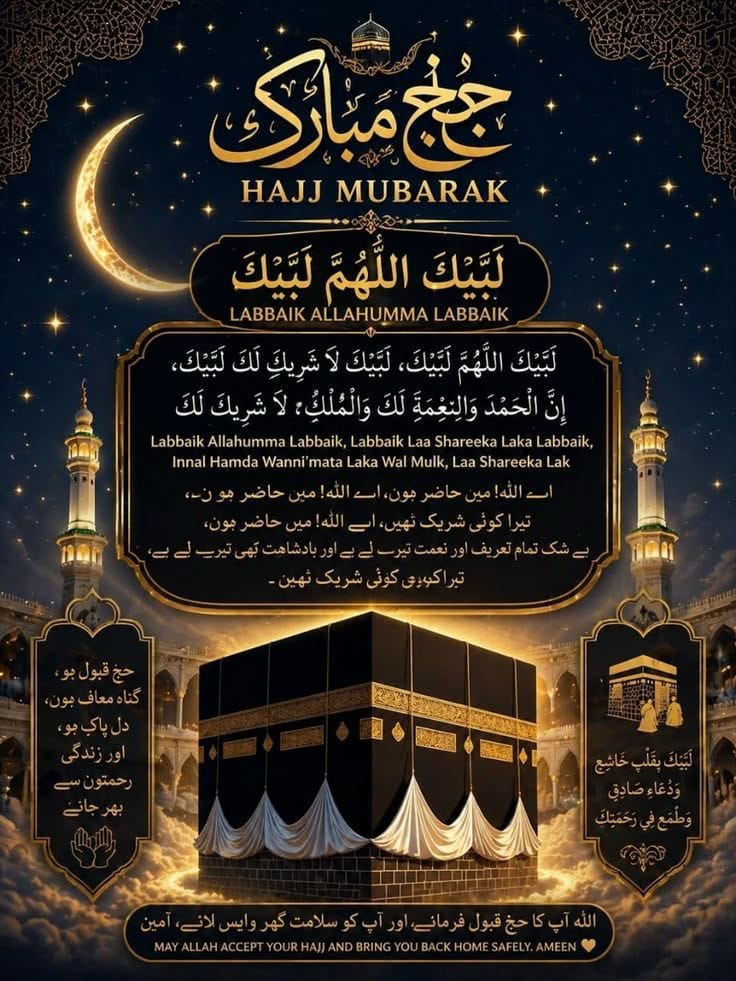
> “And proclaim to mankind the Hajj; they will come to you on foot and on every lean camel, coming from every distant pass, so that they may witness benefits for themselves.”
— The Holy Quran (22:27-28)
> “Indeed, the first House established for mankind was that at Bakkah (Makkah), blessed and a guidance for all the worlds.”
— The Holy Quran (3:96)
Today the Muslim Ummah stands at one of the most difficult moments in modern history. From Gaza to Kashmir, from Palestine to Sudan, from Yemen to parts of Africa and Asia, Muslims are facing war, displacement, hunger, division, sectarianism, Islamophobia, political instability, economic dependency, and moral decline.
At a time when the Muslim world is divided by nationalism, sectarian hatred, racism, political rivalries, and economic injustice, Hajj emerges not merely as a ritual journey, but as a universal declaration of unity, equality, sacrifice, discipline, patience, and obedience to Almighty Allah.
Hajj is not only a pilgrimage. It is a spiritual revolution. It is a reminder of the Day of Judgment. It is a gathering of humanity before Allah where kings and laborers, rich and poor, Arabs and non-Arabs, black and white stand together wearing the same simple garments. No worldly title remains. No race dominates another. No political border exists before Allah.
In the present condition of the Muslim Ummah, the message of Hajj has become more important than ever.
Hajj: *The Congress of Muslim Unity*
Allah Almighty declared:
> “Indeed this Ummah of yours is one Ummah, and I am your Lord, so worship Me.”
— The Holy Quran (21:92)
Hajj teaches the practical meaning of Muslim unity. Millions gather from every nation, language, culture, and school of thought with one declaration:
> “Labbaik Allahumma Labbaik”
“Here I am, O Allah, here I am.”
This cry destroys arrogance, pride, sectarianism, and nationalism. It reminds Muslims that their true identity is not race, tribe, language, or political ideology, but submission to Allah.
Unfortunately, the Muslim Ummah today is suffering because of internal divisions. Sectarian conflicts, hatred, disunity, and power struggles have weakened the collective strength of Muslims. Foreign powers exploit these divisions, while innocent Muslims continue to suffer.
Hajj calls the Ummah back toward brotherhood, mutual respect, compassion, and collective responsibility.
Hajj and the Suffering of Palestine
No discussion about the present Muslim condition can ignore the tragedy of Palestine and Gaza. Thousands of innocent civilians, including women and children, continue to suffer under bombardment, blockade, displacement, and occupation.
During Hajj, Muslims gather around the Ka‘bah facing one Qiblah. This unity should awaken the conscience of the Ummah toward oppressed people everywhere.
The spirit of Hajj teaches Muslims:
to stand against oppression,
to defend human dignity,
to help the weak,
to support justice,
and to reject tyranny and injustice in all forms.
Imam Ali (AS) said:
> “Be an enemy to the oppressor and a helper of the oppressed.”
The tragedy of oppressed Muslims across the world demands not only emotional reactions, but wisdom, diplomacy, unity, humanitarian assistance, education, economic strength, and moral leadership.
Hajj and the Message of Prophet Ibrahim (AS)
Hajj revives the sacrifice of Prophet Ibrahim (AS), Lady Hajra (AS), and Prophet Ismail (AS).
Ibrahim (AS) sacrificed comfort.
Hajra (AS) sacrificed fear and despair.
Ismail (AS) surrendered to the will of Allah.
Their lives teach Muslims resilience, patience, faith, and obedience even during severe trials.
Today many Muslims face poverty, displacement, refugee life, war, and uncertainty. The story of Ibrahim (AS) teaches that faith and sacrifice ultimately lead toward Divine mercy and victory.
Hajj: A Reminder of the Day of Resurrection
Hajj resembles a small Resurrection Day.
When pilgrims wear white Ihram, it resembles the shroud of death.
When millions stand together in Arafat, it resembles humanity standing before Allah on the Day of Judgment.
When pilgrims leave worldly luxuries and sleep under the open sky, it reminds humanity of the temporary nature of worldly life.
Allah says:
> “And fear the Day when you shall be returned to Allah.”
— The Holy Quran (2:281)
In today’s materialistic world, humanity has become deeply attached to wealth, technology, power, and worldly competition. Hajj reminds believers that worldly power is temporary, while accountability before Allah is eternal.
The Day of Arafat: A Day of Repentance and Awakening
*The heart of Hajj is Arafat.*
The Holy Prophet Muhammad (PBUH) said:
> “Hajj is Arafat.”
Arafat is the place of tears, repentance, reflection, and spiritual awakening. Muslims raise their hands together asking Allah for forgiveness, mercy, peace, and guidance.
At a time when the Muslim world faces moral decline, corruption, injustice, violence, and hatred, the Ummah needs collective repentance and self-correction.
The crisis of Muslims is not only political; it is also spiritual, intellectual, educational, and moral.
Hajj teaches:
humility instead of arrogance,
service instead of selfishness,
*unity instead of division,*
sincerity instead of hypocrisy,
and peace instead of hatred.
Imam Ali (AS) and the Importance of Hajj
Imam Ali said in his final advice:
> “Fear Allah regarding the House of your Lord. Do not abandon it as long as you live.”
This statement carries deep meaning today. Hajj is not merely movement around the Ka‘bah; it is movement toward spiritual purification and social responsibility.
The teachings of Imam Husain, Imam Zain-ul-Abideen, and Imam Jafar al-Sadiq emphasized that worship without justice, morality, and compassion loses its spirit.
*Hajj and Economic Justice*
Millions spend huge amounts during Hajj every year. The Muslim world possesses enormous natural resources, strategic geography, youth populations, and economic potential. Yet many Muslim societies suffer from poverty, unemployment, debt, illiteracy, and dependency.
Hajj should inspire:
economic cooperation among Muslim nations,
educational advancement,
scientific progress,
ethical trade,
humanitarian partnerships,
and collective welfare systems.
The Quran repeatedly connects worship with social justice and care for humanity.
Hajj and the Need for Peace
The Muslim Ummah today urgently needs dialogue, wisdom, and peaceful cooperation.
Wars, extremism, hatred, and violence have destroyed countless lives and weakened Muslim societies. Hajj teaches discipline, patience, tolerance, and coexistence.
Allah Almighty says:
> “Indeed, the believers are brothers.”
— The Holy Quran (49:10)
The sacred atmosphere of Makkah reminds Muslims that peace is among the greatest values in Islam.
Lessons the Muslim Ummah Must Learn from Hajj Today
1. Unity Above Sectarianism
Sunni, Shia, and all schools of thought must work toward mutual respect, dialogue, and unity.
2. Service to Humanity
Islam is a religion of mercy, compassion, and justice for all humanity.
3. Support for the Oppressed
Muslims must stand morally and peacefully with oppressed people everywhere.
4. Spiritual Reform
Without moral purification, political or economic strength alone cannot save the Ummah.
5. Education and Awareness
The Ummah must invest in knowledge, science, research, media, and intellectual revival.
6. Peace and Dialogue
Conflicts within the Muslim world must be resolved through wisdom and negotiation.
Hajj: From Ritual to Transformation
The true purpose of Hajj is not tourism or status. The true Hajj changes the heart, character, and behavior of the pilgrim.
A pilgrim should return:
more humble,
more compassionate,
more truthful,
more patient,
more committed to justice,
and more connected with Allah.
If the Muslim Ummah truly understands the message of Hajj, it can become a source of global peace, justice, spirituality, and human dignity.
Hajj is not merely a yearly gathering; it is a Divine message for humanity.
It teaches equality in a divided world.
It teaches sacrifice in an age of selfishness.
It teaches peace in a world of war.
It teaches unity in a time of sectarianism.
It teaches submission to Allah in an age of arrogance and materialism.
Today the Muslim Ummah must revive the real spirit of Hajj:
unity,
justice,
morality,
compassion,
patience,
sacrifice,
and service to humanity.
May Allah Almighty unite the Muslim Ummah, protect the oppressed people of the world, grant peace to humanity, accept the Hajj of the pilgrims, and guide Muslims toward wisdom, unity, and righteousness.
Ameen.
Rasheed Ahmad Chughtai
www.rachughtai.com
+923335101352